
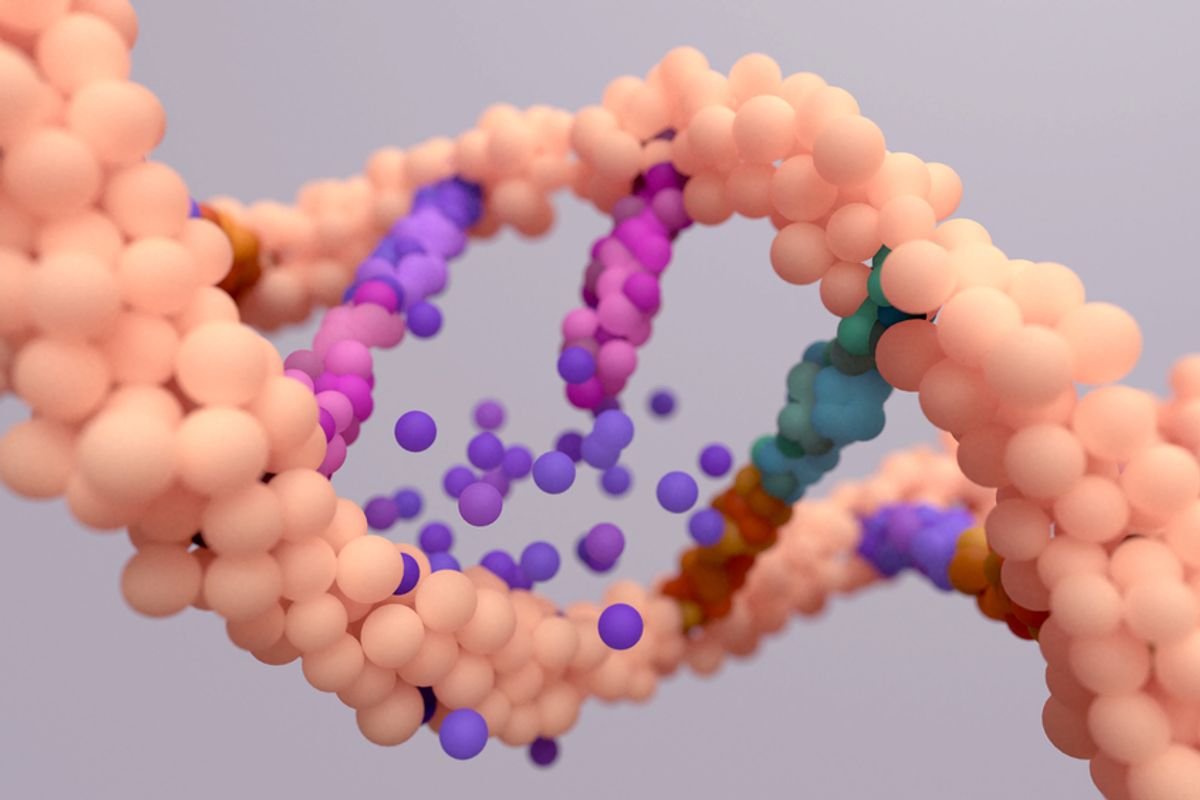
Ancient DNA Shows That Human Evolution Never Slowed Down — It Sped Up After Farming

Natural selection is usually a term reserved for science textbooks and not for conversations about contemporary humans. For decades, scientists believed that human evolution had largely slowed to a crawl after our species spread across the globe. But a new analysis of ancient DNA, published in Nature, suggests the opposite.
According to the new study, natural selection didn’t taper off — it accelerated.
By analyzing nearly 16,000 genomes spanning 10,000 years, researchers found that hundreds of gene variants have evolved far more recently than expected, many with distinct links to modern health and disease.
“This work allows us to assign place and time to forces that shaped us,” said David Reich, senior author of the study, in a press release.
How Natural Selection Accelerated
At the core of this study is a concept called directional selection. This form of natural selection occurs when a specific version of a gene becomes more common over generations because it improves survival or reproduction.
Previously, researchers had identified only a handful of such cases in ancient human DNA, leading to the assumption that this process was relatively rare in recent human history.
However, the new research overturns that idea. Instead of a few isolated examples, scientists uncovered 479 gene variants that were strongly favored — or actively weeded out — in populations across West Eurasia over the past 10,000 years.
“This single paper doubles the size of the ancient human DNA literature. It reflects a focused effort to fill in holes that limited the power of previous studies to detect selection,” explained Reich.
Many of these genetic changes are still visible today. Some are tied to physical traits like lighter skin or red hair, while others influence health outcomes, including reduced risks for conditions such as bipolar disorder or alcoholism.
One of the more significant findings was that natural selection intensified after humans transitioned from hunting and gathering to farming. As lifestyles shifted, so did evolutionary pressures, favoring traits better suited to agricultural diets, denser populations, and new disease environments.
Read More: A Single DNA Letter Change Can Trigger Female Mice to Develop Testes
Innovative Methods Behind the Breakthrough
Researchers spent seven years assembling one of the largest ancient DNA datasets ever compiled, combining genetic material from over 10,000 newly analyzed individuals with thousands of previously studied genomes.
The real breakthrough came from new computational techniques designed to isolate true signals of natural selection. In ancient populations, gene frequencies can shift for many reasons. To address this, the team developed methods that could distinguish genuine evolutionary pressure from these other factors.
“With these new techniques and large amount of ancient genomic data, we can now watch how selection shaped biology in real time,” said first author Ali Akbari. “Instead of searching for the scars natural selection leaves in present-day genomes using simple models and assumptions, we can let the data speak for itself.”
What This Means For Future Ancient DNA Research
Because more than half of the identified gene variants are linked to modern traits and disease risks, this research opens new pathways for studying human health. By tracing where certain genetic traits became common, scientists may better understand why some populations are more susceptible or resistant to specific conditions.
The researchers have made both their data and methods publicly available, paving the way for similar analyses in other regions and time periods.
“To what extent will we see similar patterns in East Asia or East Africa or Native Americans in Mesoamerica and the central Andes? If we can’t use ancient DNA to study the most important period in human evolution 1 to 2 million years ago, then at least we can study selective pressure on human genomes during more recent periods of change and learn broader principles,” concluded Reich.
Read More: Neanderthals Mated With Modern Human Women — And It Still Shapes Many People’s DNA Today
Article Sources
Our writers at Discovermagazine.com use peer-reviewed studies and high-quality sources for our articles, and our editors review for scientific accuracy and editorial standards. Review the sources used below for this article: