
Northern Ireland’s Hedgehogs Are Wearing Mini GPS Backpacks To Help Species Conservation

Most people never see what hedgehogs do after dark. In Northern Ireland, the tiny mammals squeeze through gaps in fences, weave across roads, and travel from garden to garden while neighborhoods sleep. Now, some of them are carrying tiny GPS backpacks in the name of conservation.
Ulster Wildlife has launched Northern Ireland’s first-ever GPS hedgehog tracking project in hopes of uncovering the obstacles the animals face in urban environments and identifying ways to better protect them. Researchers are mapping where the hedgehogs travel at night, the gardens they pass through, the roads they attempt to cross, and the green spaces they rely on to survive.
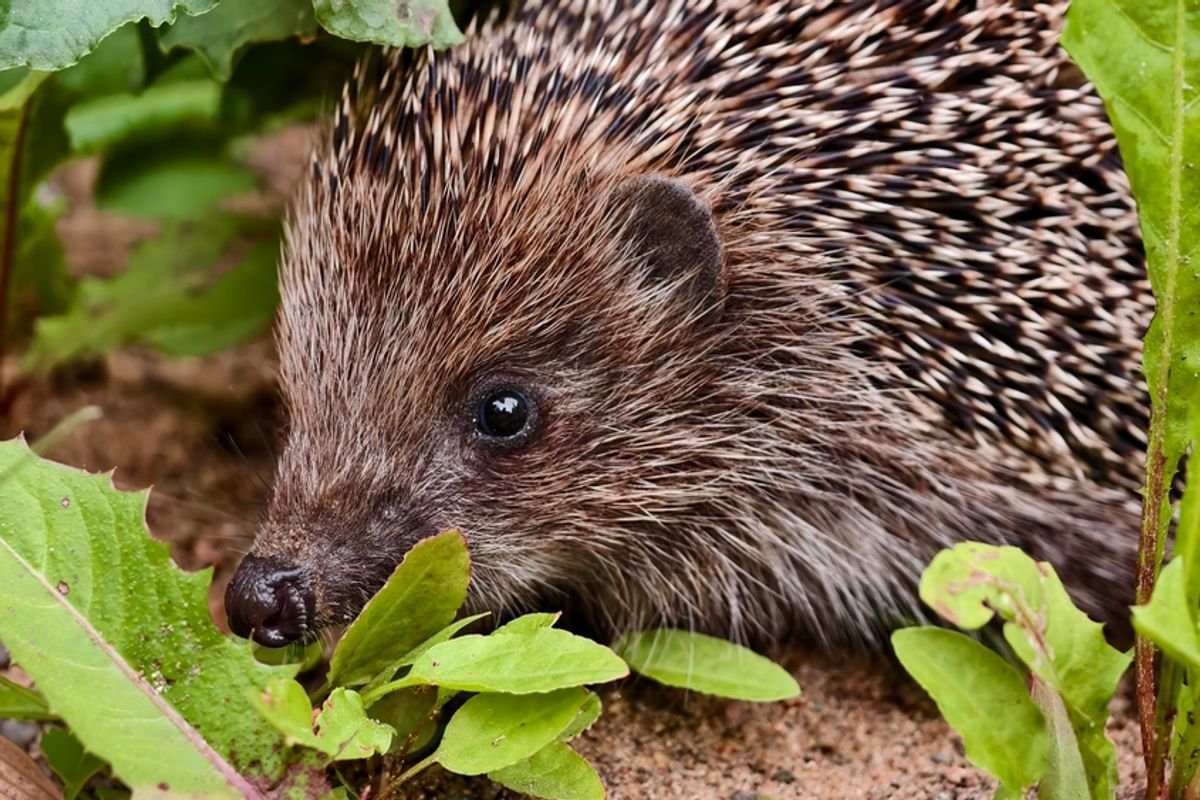
The project focuses on the European hedgehog, a species classified as Near Threatened on the IUCN Red List, as populations continue declining across parts of the U.K. and Ireland.
“After long nights patiently staking out gardens and waiting for hedgehogs to appear, the initial results have been absolutely fascinating. We’re seeing hedgehogs travel through multiple gardens in a single night and cross busy roads — a heart-in-the-mouth moment that shows the reality of the challenges these at-risk mammals face,” said Katy Bell, Senior Conservation Officer with Ulster Wildlife, in a press release.
Read More: How Glitter Could Help Save the Shy and Endangered Water Vole
GPS “Backpacks” Are Following Hedgehogs Through Cities
To avoid disturbing nesting females, the project tracks only male hedgehogs throughout the year. Researchers attach GPS devices to the animals’ spines, which remain in place for several days before being removed.
“We know from studies elsewhere in the U.K. that hedgehogs can travel up to 3km [almost 2 miles] a night. That means they rely on whole [neighborhoods] — not just one garden — to survive. What we don’t yet know is how that plays out in Northern Ireland, but, even at this early stage, we are seeing just how important connected green spaces are,” Bell explained.
The project also includes Ireland’s first hedgehog detection dog. Conservation Detection Dogs NI is training dogs to help researchers locate hedgehogs more efficiently and recover GPS tags if they fall off.
Previous research from across the U.K. and Ireland shows hedgehogs are disappearing from many rural areas while becoming more concentrated in towns and cities. Researchers think urban gardens and patches of connected green space may now provide some of the food, shelter, and nesting habitat the animals are struggling to find elsewhere.
How Researchers Hope The Data Can Help Save Hedgehogs
The project begins as hedgehog populations continue to decline across parts of Europe. According to The State of Britain’s Hedgehogs 2022 report, hedgehog populations in some rural areas have declined by between 30 and 75 percent since 2000.
Researchers hope the GPS data will help pinpoint what makes it harder for hedgehogs to move through urban areas, from fenced gardens and disappearing hedgerows to busy roads and pesticide use.
“This will help people make simple but powerful changes — like creating wildlife corridors or ‘hedgehog highways’ to connect gardens, reducing the use of harmful substances such as slug pellets, and supporting calls for traffic calming measures in known hedgehog hotspots,” said Maureen Carvill, Wildlife Gardening Officer with Ulster Wildlife, in the press release.
Ulster Wildlife is also encouraging people to leave wild areas for nesting, plant native species that support insects, avoid pesticides and slug pellets, and leave shallow dishes of water out for hedgehogs. The charity recommends cutting small 13-centimeter-by-13-centimeter (about 5 in by 5 in) holes in fences to help the animals move safely between gardens.
Read More: Animals’ ‘Fear of New Things’ Could Help With Conservation
Article Sources
Our writers at Discovermagazine.com use peer-reviewed studies and high-quality sources for our articles, and our editors review for scientific accuracy and editorial standards. Review the sources used below for this article: