
Gut Microbiome of Black Bears Carries Antibiotic-Resistant Bacteria and Offers Insights into the Environment

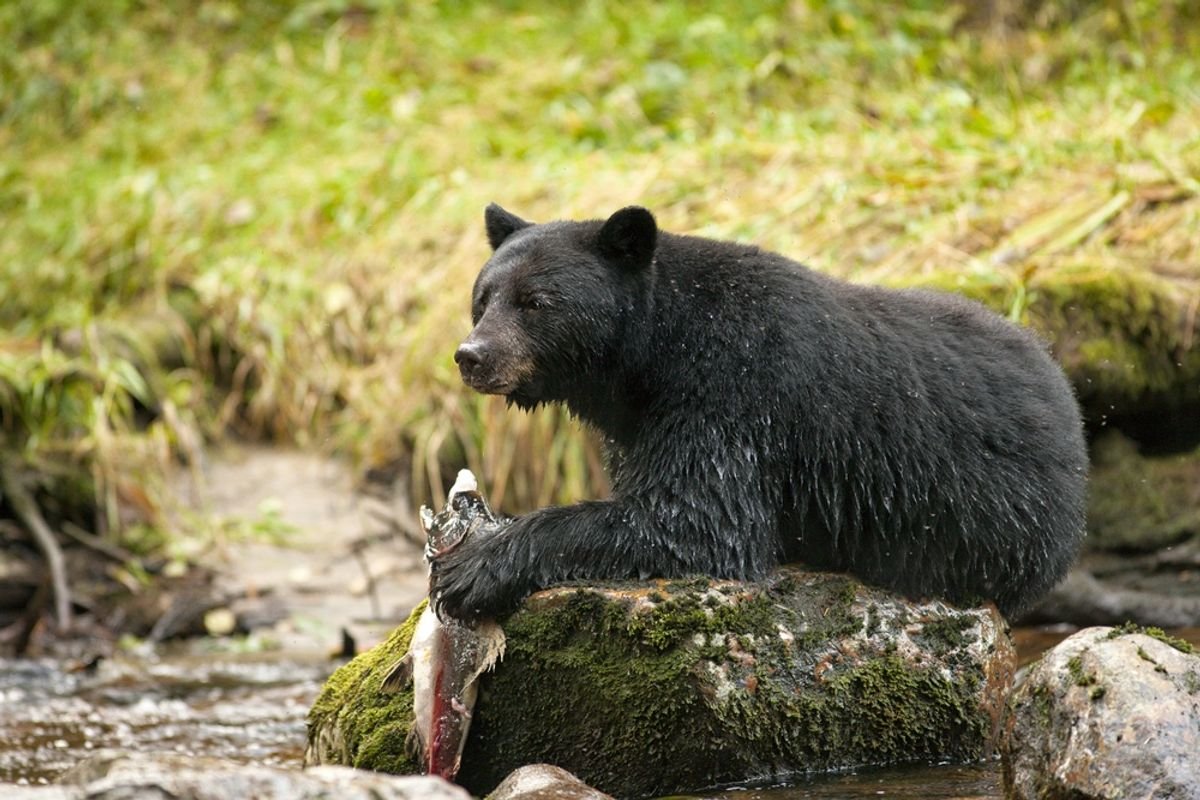
Black bears can tell us a lot about the environment, just by the microbial communities living in their guts. The gut microbiome in black bears is largely a direct reflection of their diets, meaning one bear may harbor a much different assortment of microbes than another bear based on what it has been eating.
A new study published in PLOS One has confirmed that gut microbiomes vary greatly among black bears, but has also revealed some surprising trends — one is that the most notable microbes in these gut microbiomes were antibiotic-resistant bacteria.
Ultimately, the microbes in black bears’ gut microbiomes act as a gauge of environmental changes, reflecting altered landscapes or foraging opportunities for the bears.
“Bears are fascinating, and the nature of their digestive system and feeding behavior means that they are essentially living biosensors of their environment,” said study co-author Diana Lafferty, an associate professor of biology at Northern Michigan University, in a statement.
Microbial Communities in Black Bears
Black bears have such varied gut microbiomes due to the structure of their gut. According to the study, it resembles a simple garden hose, with a long small intestine, a short, underdeveloped colon, and no cecum (a pouch that serves as the start of the long intestine).
In humans, the cecum receives food from the small intestine and plays a role in microbial fermentation. But since black bears have no cecum, the formation of their gut microbiomes plays out differently.
“American black bears (Ursus americanus) have a simple gut morphology and it doesn’t take long for food to pass through their system, which prevents regulation of the microbial ecosystem in the animal’s gut,” said author Erin McKenney, an assistant professor of applied ecology at North Carolina State University.
Because of their simple guts, black bears’ immune systems don’t process new microbes effectively, and so the gut can’t regulate which microbes make up the gut microbiome.
This — combined with the wide variety of food that the bears eat — makes their gut microbiome highly variable.
Read More: Close, Social Contact Can Shape a Gut Microbiome, Sometimes Making it More Alike
Finding Microbes in Bear Guts
To see what really goes in bears’ guts, researchers collected gut samples from 48 wild bears that were legally harvested in North Carolina (nine small-intestine samples and 39 large-intestine samples).
Using genetic sequencing techniques, they identified the genus of microbes and their relative abundance. They found that the microbial communities in each gut microbiome were highly variable, as expected, but the results also showed that the microbiome commonly contained pathogenic bacteria that resist antibiotics.
These included the bacteria Escherichia-Shigella, Clostridium sensu-stricto 1, and Weissella, which have all been linked to infection in chickens. The researchers theorize that the simple structure of black bear guts may help to pass the bacteria through quickly, preventing infection.
Clostridium sensu-stricto 1 is also associated with obesity in humans, although this isn’t a problem in bears; the presence of Clostridium sensu-stricto 1 may actually help bears pack on enough weight to survive through the winter.
Monitoring Changes with Microbes
Microbial samples from black bear guts, or even their feces, can help scientists track changes in the environment. For example, black bears in the eastern U.S. mainly eat berries, grasses, and hard mast (hard-shelled nuts), but the availability of these food sources could diminish as land is increasingly developed for agricultural purposes.
Gut microbiome samples could also indicate whether bears are eating food that has been introduced to them by humans, such as bait that has been placed by hunters.
“Bears are expanding their range across much of the continental United States, and expanding our understanding of the microbial ecosystems in this species means that they could serve as a sentinel species for understanding changes in the environment,” said Lafferty.
Read More: Your Breath May Reveal Hidden Changes in the Gut Microbiome
Article Sources
Our writers at Discovermagazine.com use peer-reviewed studies and high-quality sources for our articles, and our editors review for scientific accuracy and editorial standards. Review the sources used below for this article: