
1,700-Year-Old Roman Infant Burials Contained Purple Silk Once Worth More Than Gold

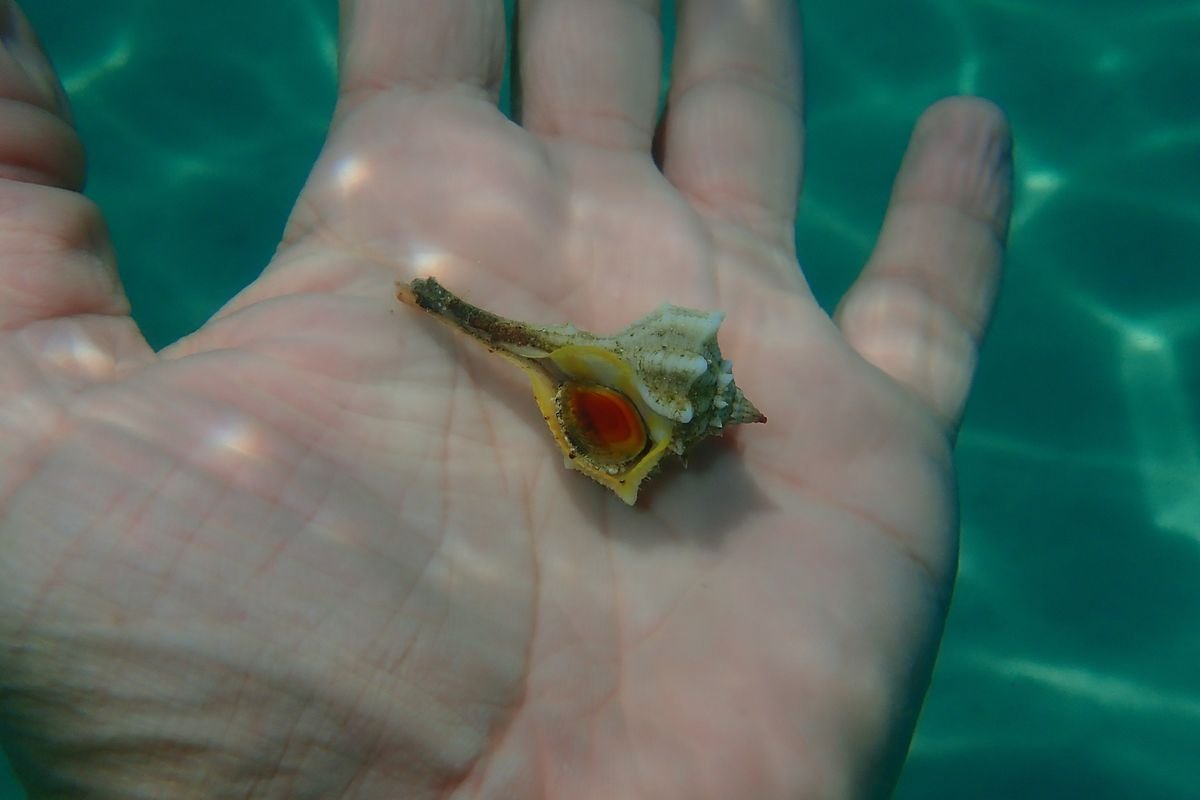
Few things in the Roman world signaled elite status as vividly as the deep, sea-born hue of Tyrian purple. Extracted from thousands of murex snails and produced primarily in the Phoenician city of Tyre, in present-day Lebanon, the dye became so valuable that Diocletian’s price edict of A.D. 301 set a single pound of Tyrian-dyed silk at the cost of about three pounds of gold.
Now, researchers have identified traces of this pigment in two infant burials from Roman York dating to the 3rd and 4th centuries A.D., including on a finely woven cloth threaded with gold. Tyrian purple is rarely found in Britain, with only a handful of known examples from Roman Britain, and its presence here points to families with access to the empire’s most coveted imported textiles.
Infant mortality in Rome was high; roughly three in ten children died before their first birthday, and Roman law often discouraged overt mourning for babies. Yet these burials, prepared with costly fabrics and meticulous care, complicate the idea that Roman families grieved their youngest children less deeply.
“For the first time, we now have confirmation of the use of this costly dye in Roman York, indicating that the city’s wealthy inhabitants had access to expensive and exotic commodities from the other end of the empire,” said Maureen Carroll, Project Director from the Department of Archaeology at the University of York, in a press release. “This remarkable discovery tells us a lot about the importance of children in Roman York and the willingness of the family to give their baby the best possible send-off in tragic circumstances.”
Read More: Researchers Dug Up Over 10,000 Rare Roman Artifacts in the UK
Roman Infant Burials In York Preserve Rare Tyrian Purple
According to the Seeing the Dead project — a research initiative investigating unusual Roman gypsum burials found in and around Yorkshire — the discovery comes from a funerary practice in which liquid gypsum was poured over bodies wrapped in cloth and placed inside wooden, stone, or lead coffins. As the gypsum hardened, it formed a protective shell around the dead, preserving impressions of clothing, shrouds, and other fragile materials that would otherwise decay.
The gypsum casts examined in this study come from the York Museums Trust collection, where they had been held for decades before being re‑analyzed with modern scientific techniques.
One infant was buried between two adults inside a stone sarcophagus, while the second was interred in a lead coffin. According to the Seeing the Dead project, in the lead coffin burial, the infant may have first been wrapped in linen bands before being covered with multiple layers of textiles, including a tasseled cloak or shawl beneath a fine purple cloth decorated with gold thread. The purple-and-gold textile appears to have been placed as an outer layer visible before the coffin was sealed.
Detecting Tyrian Purple In Roman Britain
The dye was not visible on the gypsum surface and was identified only through chemical analysis, which detected 6,6-dibromoindigo, the key biomarker of Tyrian purple, thereby confirming its presence in the York textiles.
Researchers are also using CT scans, X‑rays, mass spectrometry, and 3D digital reconstruction to study the burials. The gypsum casings preserve traces of textiles, dyes, resins, and burial wrappings that would otherwise be lost. The project’s larger aim is to understand why gypsum burials were used, who received them, and how these practices shaped the experience of death and mourning in Roman Yorkshire.
The findings are giving researchers an intimate look at how wealth, status, and mourning intersected in Roman Britain. Nearly 1,700 years later, the preserved textiles still carry traces of the care these families invested in honoring their children after death.
Read More: Dozens of Human Skeletons Reveal a Historical Roman Massacre May Not Have Happened
Article Sources
Our writers at Discovermagazine.com use peer-reviewed studies and high-quality sources for our articles, and our editors review for scientific accuracy and editorial standards. Review the sources used below for this article: