
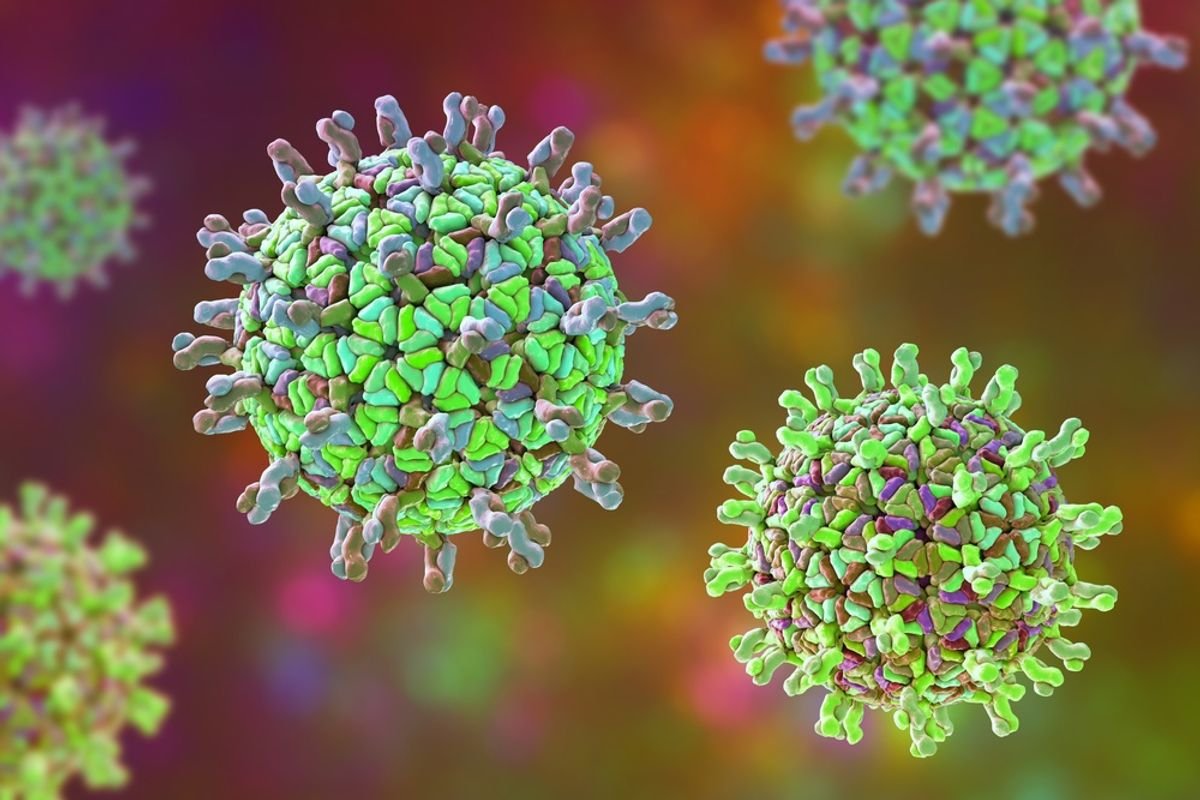
Rotavirus Cases Surge Across the U.S., Posing Greatest Risk to Infants and Young Children

The potentially life-threatening rotavirus is making the rounds again. However, the current spike, which is higher than at the same time last year, has health practitioners concerned. Rotavirus, which surges seasonally, similar to norovirus and influenza, spreads easily and can cause severe dehydration from persistent vomiting and diarrhea, making it particularly dangerous for babies and young children.
According to the latest data from the Centers for Disease Control and Prevention (CDC), the rise in infection rates began in January and is continuing into the spring months. Many doctors warn that declining vaccination rates could lead to preventable complications and hospitalizations in children.
Rotavirus Cases on the Rise
The National Foundation for Infectious Diseases reports that before the rotavirus vaccine was approved, nearly every child in the U.S. experienced an infection before age five. That led to about 200,000 emergency room visits, 70,000 hospitalizations, and up to 60 deaths annually.
To track current trends, the CDC uses the National Respiratory and Enteric Virus Surveillance System (NREVSS). Data show a steep rise in rotavirus positivity beginning in January 2026, with levels in early April higher than in the same period last year. For example, the week ending April 4, 2026, recorded 7.3 percent positive tests, which exceeds the 2025 seasonal peak.
Additional insight comes from wastewater monitoring. WastewaterSCAN data show virus levels rising since January and still climbing in parts of the West and Midwest, according to NBC News. Wastewater sampling serves as an early warning system, offering a snapshot of community health by detecting pathogens shed in human waste.
Read more: A New mRNA Vaccine Has the Potential to Cure Seasonal and Food Allergies
Symptoms and Possible Complications
First symptoms of rotavirus infections include fever above 101 degrees Fahrenheit and vomiting for one to two days, followed by frequent diarrhea. While anyone can get infected, the virus spreads particularly quickly among babies and young children via the fecal-oral route through contaminated hands and surfaces. Anyone with a child knows how difficult it is to keep little hands clean and away from faces.
One of the biggest risks is dehydration. Infants and young children can lose fluids quickly and tolerate that loss far less well than adults. Since there is no specific treatment for rotavirus, care focuses on managing symptoms, which primarily involves maintaining hydration.
This is where hospitalization may become necessary. Paul Offit, director of the Vaccine Education Center at the Children’s Hospital of Philadelphia, told NBC News that it can be difficult to rehydrate a child who continues to vomit, often requiring intravenous fluids. Monica Gandhi, an infectious disease specialist at UCSF, added that while deaths from rotavirus are rare in the U.S., complication rates could rise as vaccine hesitancy increases.
Vaccination Rates Are Dropping, and Recommendations Are Changing
The CDC reports that since the introduction of rotavirus vaccines in 2006 (RotaTeq and Rotarix in 2008), tens of thousands of hospitalizations among young children have been prevented each year. The vaccine is given orally, starting as early as two months old, and protects most children from severe illness.
However, vaccination rates have declined. According to CDC ChildVaxView data, the most recent birth cohorts (reported in 2024–2025) show national completion rates in the low- to mid-70 percent range and down from a peak in the mid-2010s.
At the same time, recent proposed changes to the childhood immunization schedule by the Department of Health and Human Services — reclassifying the rotavirus vaccine from a routine recommendation to shared clinical decision‑making — have raised concerns among doctors. Although a federal judge paused these changes in March, the uncertainty may still confuse parents and contribute to hesitancy around vaccinating their children, as reported by NBC News.
This article is not offering medical advice and should be used for informational purposes only.
Read more: What’s the Difference Between Influenza and Stomach Flu?
Article Sources
Our writers at Discovermagazine.com use peer-reviewed studies and high-quality sources for our articles, and our editors review for scientific accuracy and editorial standards. Review the sources used below for this article: