A mysterious mass death of whales millions of years ago may finally have an explanation — and it all starts with volcanoes.
Scientists suggest in a new study published in Nature Communications that powerful eruptions in the Andes Mountains helped trigger toxic algae blooms. Those blooms likely killed dozens of marine animals, whose fossilized remains were later discovered in Chile’s Atacama Desert. Additionally, that same chain reaction may have also helped cool the planet and set the stage for unprecedented ocean evolution.
The findings connect volcanism, ocean chemistry, marine ecosystems, and climate in a way researchers hadn’t fully understood before, revealing how one natural process can have a ripple effect across Earth’s systems.
“Investigating the relationship between algal blooms and past megafaunal die-offs at Cerro Ballena provides valuable insight into how marine mammals — especially long-lived and endangered species — respond to prolonged toxin exposure,” first author Barbara Carrapa told Discover.
Two of the researchers examine whale fossils at a site in Chile’s Atacama Desert.
(Image Credit: Barbara Carrapa)
Ancient Whale Graveyard Linked to Andes Volcanoes and Algae Blooms
The story begins in 2010, when construction crews working along Chile’s Pan-American Highway uncovered an extraordinary fossil site. Known as Cerro Ballena, or “Whale Hill,” it contains more than 40 remarkably preserved marine animals, including whales and porpoises, dating back roughly 6 to 9 million years.
Once paleontologists examined the site, what puzzled them wasn’t just the number of fossils present — it was how they died.
The animals appeared to have died rapidly and in the same location, suggesting a sudden, catastrophic event. Scientists suspected toxic algal blooms, but the trigger behind those blooms remained unclear.
Around the same time, during the late Miocene epoch, Earth experienced major environmental shifts. Oceans were cooling, and whales themselves were evolving, with some species growing significantly larger.
Researchers began looking to see if there was a unifying cause between the cooling oceans and the mass whale death.
Read More: Toxic Algae in Whale Poop Warns of Warming Seas in the Alaskan Arctic
How Volcanic Ash Transformed the Ocean
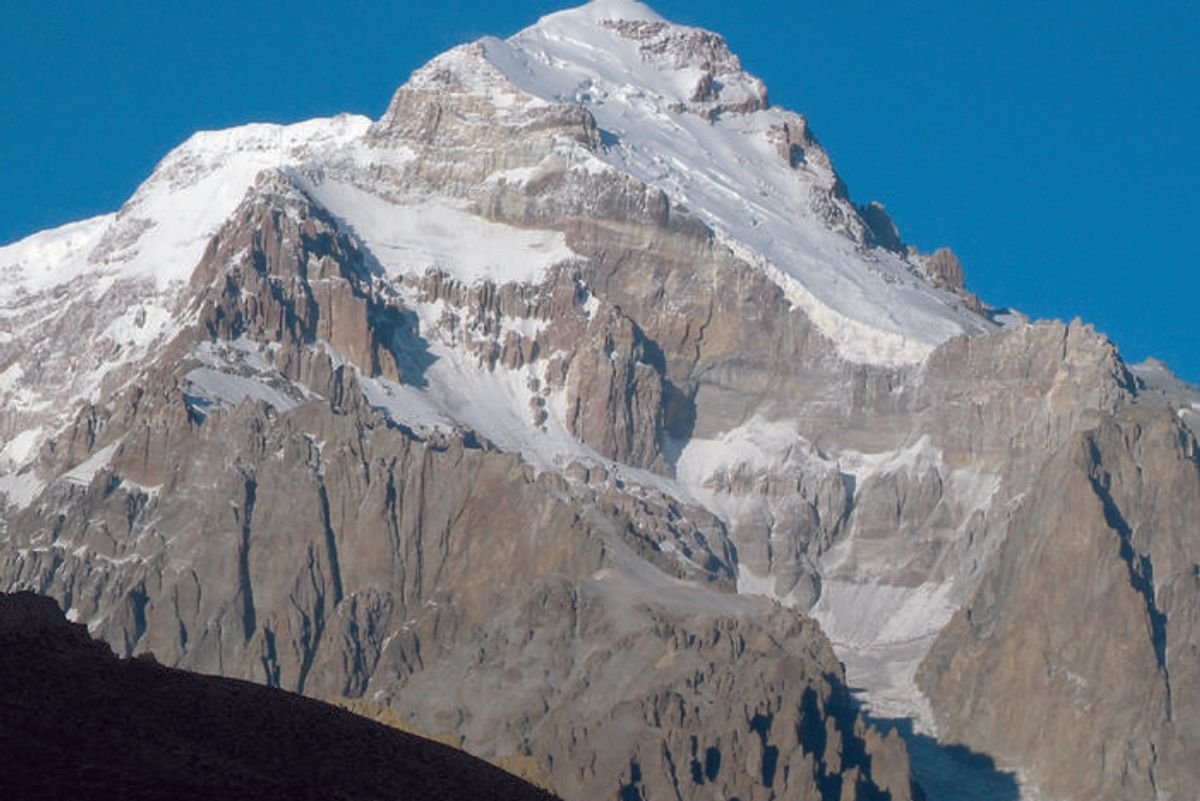
The missing piece of the puzzle was found in the Andes. During this period, intense volcanic activity accompanied the uplift of the famous mountain range. These eruptions released massive amounts of ash into the atmosphere, which eventually settled into the ocean.
That ash carried key nutrients like iron, phosphorus, and silicon — elements that act as fertilizer for microscopic marine organisms.
“Once you put a lot of very important nutrients coming from volcanoes into the ocean, then your primary producers are going to go crazy, because all of a sudden they have a lot of nutrients available to them, and that, in turn, is going to affect the entire marine ecosystem,” said Carrapa in a press release.
In some regions, this surge likely supported larger marine animals, including whales. But in other areas, like Cerro Ballena, it had a darker consequence. Certain algal blooms produced toxins that accumulated in the food chain, ultimately poisoning large marine mammals.
“Whether a bloom becomes harmful depends largely on the identity of the dominant algae or cyanobacteria and their capacity to produce toxins,” co-author Mark Clementz explained to Discover. “A bloom becomes harmful when environmental conditions — such as temperature, salinity, and nutrient availability — favor the proliferation of these toxin-producing species and allow toxins to accumulate to biologically significant concentrations.”
A Climate Twist Hidden in the Ocean
The implications of what the research team found go far beyond ancient whale deaths.
As phytoplankton populations expanded, they also absorbed large amounts of carbon dioxide through photosynthesis. When these organisms died, much of that carbon sank to the ocean floor, effectively removing it from the atmosphere.
This process, known as carbon sequestration, may have contributed to global cooling during the late Miocene.
“Our results suggest that solid Earth processes, such as volcanism, can trigger self-sustaining feedbacks that link ecological transformation and climate change. This connection is particularly relevant in modern oceans, where toxins from harmful algal blooms are a leading cause of marine mammal mass mortalities and strandings,” Carrapa told Discover.
Overall, the study highlights a lesser-known side of volcanism. While eruptions are often associated with releasing carbon dioxide and warming the planet, this research shows they can also drive cooling indirectly through ocean life.
“This work improves our understanding of how natural processes can regulate Earth’s climate, which is directly relevant to anticipating future climate change and its impacts on society,” concluded co-author Mark Clementz in the release.
Read More: Hidden Underwater Volcanoes May Explain Half of Earth’s Triassic Extinctions
Article Sources
Our writers at Discovermagazine.com use peer-reviewed studies and high-quality sources for our articles, and our editors review for scientific accuracy and editorial standards. Review the sources used below for this article: