
Ultrasound Technology Is Behind the World’s First Chocolate-Infused Honey

Scientists have just found a way to fuse two of nature’s sweetest gifts into one delicious creation — chocolate-flavored honey made using the shells of cocoa beans.
A team of researchers, whose study was published in ACS Sustainable Chemistry & Engineering, figured out how to give honey a deep, cocoa-rich twist while also transforming chocolate industry waste into something delicious and surprisingly useful.
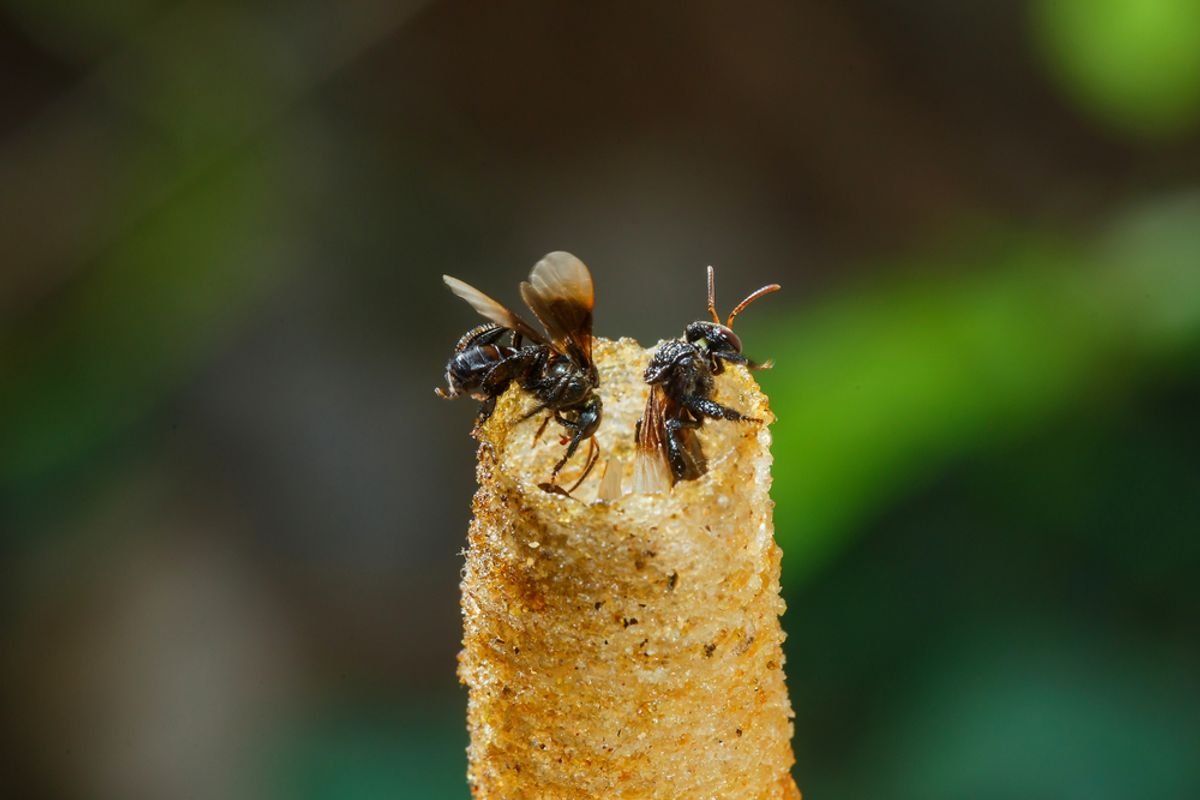
This new concoction doesn’t just taste like chocolate. It also promises sustainability benefits, nutritional bonuses, and a future filled with inventive food applications. And it all starts with native stingless bees — the hiveless bee species responsible for most of the world’s pollination.
Read More: Bumble Bees Like To Play Just For Fun
How Scientists Turned Chocolate Waste Into Honey Gold
The secret ingredient in this story is the cocoa bean shell, which is the papery outer layer removed during chocolate production and usually discarded in enormous quantities. Researchers realized these shells are backed with bioactive compounds like theobromine and caffeine, both of which are linked to a healthy heart. For the research team, the question became how to pull these benefits out of the shells efficiently and infuse them in something edible.
The solution lay in honey. They used honey from native stingless bees as the sticky solvent that could catch all the nutritional goodness hidden in the shells. Native bee honey has a naturally higher water content and lower viscosity than honey from European bee species, making it an unusually good extractor.
Using Ultrasound to Create Flavor
To make the chocolate infusion happen, they turned to ultrasound-assisted extraction, a technique that involves dipping a pen-like vibrating probe into a mix of cocoa shells and honey. The sound waves generate microbubbles that rapidly burst, temporarily raising the temperature inside the pot just enough to crack open plant material and release its valuable compounds.
Depending on how much honey or shell is used, researchers reported that the final product had a strong chocolate flavor. But flavor isn’t the researchers’ only concern when it comes to chocolate honey.
“Of course, the biggest appeal to the public is flavor, but our analyses have shown that it has a number of bioactive compounds that make it quite interesting from a nutritional and cosmetic point of view,” explained first author Felipe Sanchez Bragagnolo, in a press release.
Why Chocolate Honey Is Such a Game Changer
On the sustainability front, this new approach to extracting compounds has given a second life to a massive piece of agricultural waste. Cocoa bean shells usually head straight to compost piles or landfills, but here they’re transformed into a source of flavorful and nutritional enhancement.
The ultrasound technique adds another benefit — it appears to increase native honey’s shelf life.
“Honey from native bees usually needs to be refrigerated, matured, dehumidified, or pasteurized,” said Bragagnolo. “We suspect that, simply by being exposed to ultrasound, the microorganisms contained in the honey are eliminated, increasing the stability and shelf life of the product.”
The team is already planning future projects, including studying how ultrasound alters honey’s microbiology, and expanding their extraction process to plant products beyond cocoa shells.
Read More: How Could Gusher-Like HoneyPot Ants Help Develop New Antibiotics?
Article Sources
Our writers at Discovermagazine.com use peer-reviewed studies and high-quality sources for our articles, and our editors review for scientific accuracy and editorial standards. Review the sources used below for this article: