
The First-Ever Fossilized Butt Scooting Came From a Rock Hyrax 126,000 Years Ago

The latest paleontological discovery has come in an unexpected form: a 126,000-year-old buttock-drag track found in South Africa.
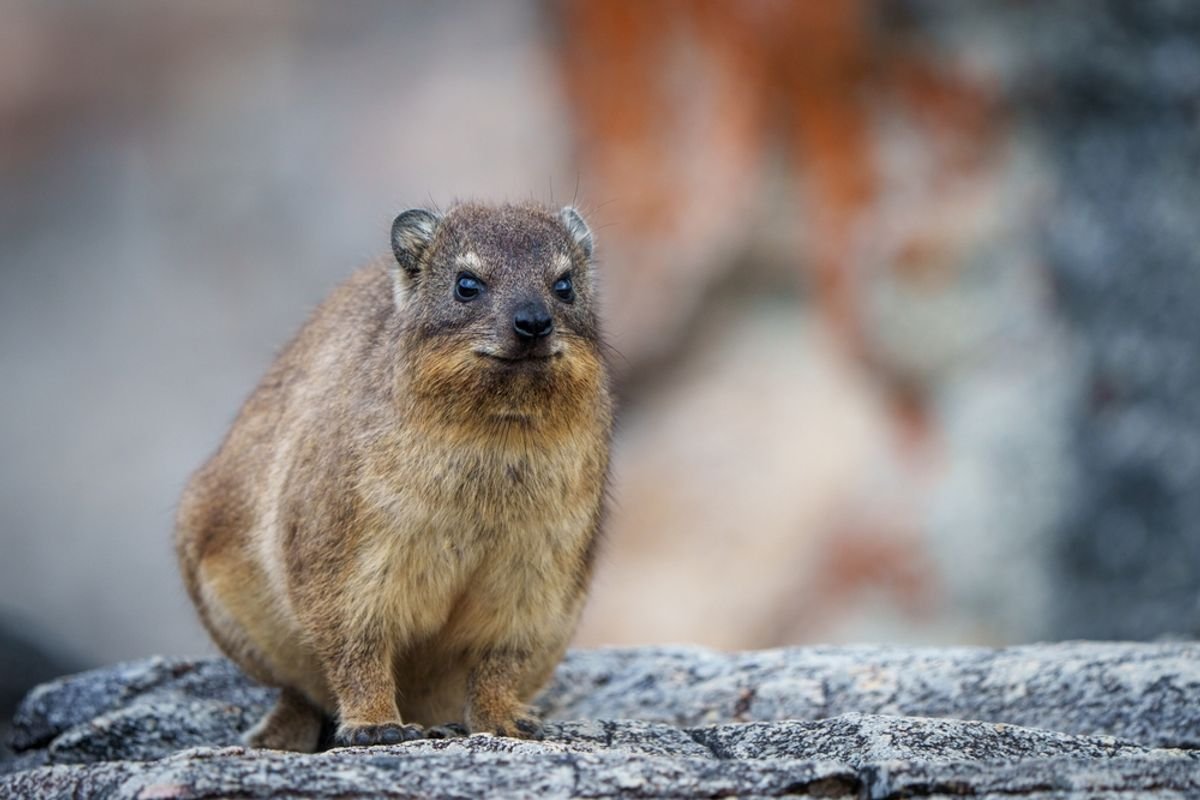
According to a new study in Ichnos, the track was likely made by a rock hyrax. Rock hyraxes, also known as “dassies,” are small, furry mammals found in Africa and the Arabian Peninsula. This butt-drag track is unique not only because rock hyraxes don’t often appear in the fossil record but also because this is the first fossilized butt-drag ever found on Earth.
“To the best of our knowledge, buttock-drag features have until now not been reported in the paleoichnology record. If our tentative interpretation is accurate, this would therefore form the first fossilized buttock-drag trace to be reported,” said the authors in their paper.
Read More: What Are Fossils and Where Are They Found the Most?
How Did Paleontologists Identify a Butt-Drag Fossil?
Rock hyraxes are herbivores and often spend their time, unsurprisingly, on rock faces. Because of their preferred environment, their ancestors didn’t leave many identifiable traces of their existence. However, they have been known to travel on sand from time to time, and it was this behavior that helped paleontologists find these unique fossil remains.
These mammals also are quite short, with little legs and thick midsections, which means their belly leaves marks on the ground during certain activities. One of those activities is butt-dragging, a behavior similar to the practice of scooting seen in domesticated dogs. When rock hyraxes scoot, they leave a distinctive trace.
Since they often do this on rocks, the rocks actually become polished and shiny over time thanks to frequent contact with the hyrax’s fur. But the fossil in question was left in a once-sandy area that has now been solidified into rock via the power of the wind over time.
A block of this wind-blown sand, called aeolianite, fell from a cliffside in Bosbokfontein Private Nature Reserve and landed on a beach below. On this piece of aeolianite was a 37-inch linear feature that scientists identified as a hyrax butt-drag track.
Ichnology and Trace Fossils
The scientists responsible for this find work in a field known as ichnology. Ichnology is a branch of paleontology interested in the study of trace fossils — indirect evidence of past life that includes tracks, burrows, trails, and feeding marks instead of bones and body parts. By studying these trace fossils, researchers can learn a lot about an animal’s behavior, environment, and relationships.
Although they rarely leave direct evidence of their existence, rock hyraxes are well known for leaving lots of trace fossils like polished rocks and urination deposits. Since hyraxes spend most of their time on the same rocks, their urination and defecation deposits gradually cement into rock-like masses and can provide a lot of information about their past.
“Hyrax traces form an important, unusual, and unique part of the trace fossil record, while highlighting the notion of the Afrotheria. The possible presence of all these forms of fossil traces from South Africa can encourage the search for further examples across the African continent,” said the authors in their paper.
The research team is continuing its search for more rock hyrax butt-drag tracks and hopes this discovery will inspire and encourage others to see the importance of trace fossils.
Read More: 236-Million-Year-Old Poop Fossil Reveals a Hidden Treasure — Oldest Evidence of Butterflies
Article Sources
Our writers at Discovermagazine.com use peer-reviewed studies and high-quality sources for our articles, and our editors review for scientific accuracy and editorial standards. Review the sources used below for this article: