
Not All Food-Borne Bacteria Are Bad, Some Can Benefit Your Health — Here’s What You Should Know

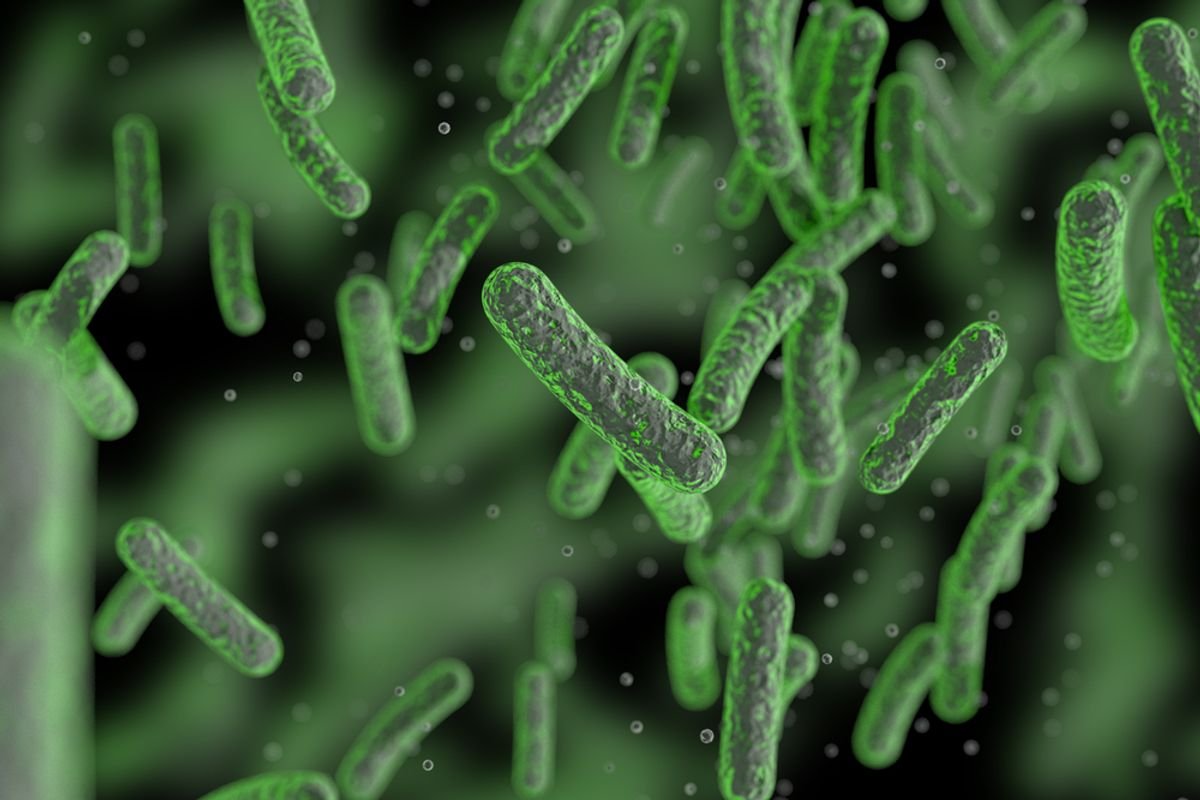
Bacteria that lurk in food can make that food delicious or deadly. Why is it that some bacteria in food are safe and even beneficial, while others are harmful and can cause illness?
“Over millions of years, bacteria have evolved into different types, some of them developing a beneficial relationship with us, and some developing into more toxic forms,“ explains Maria Tucker, registered dietician and nutrition educator at Duke University. “This evolution actually resulted in some bacteria being good for us and some bacteria being bad for us.”
Read More: Deadly Listeria Outbreak Exposes Hidden Risks in Ready-to-Eat Foods
The Beneficial Bacteria
Fermented foods — yogurt, kefir, tempeh, miso, sourdough bread, and some cheeses, just to name a few — owe their unique and delicious flavors to bacteria that live there.
Bacteria break down certain components in food. This creates new flavors and textures. Sometimes microbes are captured from the air (as in homemade sauerkraut, for example), and sometimes a specific group of microbes is added (as in yogurt).
Lactobacillus and Bifidobacterium are well-known examples of good bacteria in food, but there are many others. According to a study in the journal Foods, some of these microbes, known as probiotics, have been shown to improve health by, among other things, increasing the bioavailability of nutrients and generating compounds that help reduce inflammation, regulate the immune system, and support gut health and metabolic health.
However, in a recent Advances in Nutrition study on fermented foods, the authors note that some people need to use caution with fermented and probiotic foods. Pregnant people, people with weakened immune systems, and people with irritable bowel syndrome or small intestinal bacterial overgrowth should be especially careful. The authors also caution that in many cases, marketing claims have not been scientifically validated.
Read More: It Doesn’t Take Long to Reset Your Gut Health With Small Lifestyle Changes
The Harmful Bacteria
As Tucker points out, however, some microbes cause a lot of trouble. According to the World Health Organization, each year, more than 600 million people worldwide become ill after eating contaminated food. Of those, some 420,000 die. Small children and older people are most at risk.
Some of the most well-known food-borne bacterial killers are E. coli, Listeria, Salmonella, Shigella, and Staphylococcus aureus, says Tucker. These bacteria aren’t added to food or encouraged to grow there, unlike the good bacteria. Instead, they slip in somewhere between farm and plate.
E. coli, Shigella, and Salmonella come from fecal contamination of food. Sometimes bacteria from the intestines or skin of an animal get into meat products, Tucker says.
“That’s why you sometimes see ground beef recalls, because there was E. coli in it.”
Animal products aren’t the only kinds of food that can become contaminated. Vegetarians have to be careful, too. Many dangerous bacteria live in soil or hitch a ride on people’s hands and get into food during harvesting or packaging.
How to Prevent the Spread of Harmful Bacteria
Fortunately, it’s easy to protect yourself and your family. Tucker says to keep in mind four crucial steps: clean, separate, cook, and chill.
- Clean: Wash your hands, utensils, and kitchen surfaces often. Wash produce, too, says Tucker. Even pre-washed lettuce could use a good rinse.
- Separate: Keep raw meat, poultry, seafood, and eggs separate from other foods. Always use separate cutting boards for meat and vegetables.
- Cook: Make sure foods are cooked to the appropriate temperature. Tucker suggests using a kitchen thermometer. Some are marked with the safe cooking temperature for various foods, she says.
- Chill: Put leftovers in the refrigerator promptly. That means, says Tucker, within an hour or two at most. Better yet, she says, freeze them. Leftovers stay safe in the refrigerator for only two to three days.
Fermented foods generally last longer, but even with foods that contain good bacteria, you have to watch out for invasions of the bad kind. And for foods that smell funky even when they’re good (I’m looking at you, kimchi), it can be hard to tell when they’ve gone off.
Tucker says to watch for texture or color changes — pink or grey in normally orangish kimchi, for example, or a slimy texture.
Your food can harbor both good and bad bacteria. If you want to stay healthy, embrace the good and avoid the bad.
This article is not offering medical advice and should be used for informational purposes only.
Read More: What are Different Types of Food Poisoning and How Can You Avoid Them?
Article Sources
Our writers at Discovermagazine.com use peer-reviewed studies and high-quality sources for our articles, and our editors review for scientific accuracy and editorial standards. Review the sources used below for this article: