
Could Fat-Trapping Boba Pearls Replace Weight Loss Medications Like GLP-1 Agonists?

Obesity medications have become increasingly popular in recent years. GLP-1 agonists in particular have garnered increased usage because of their ability to help people lose 10-15 percent of their body weight. These medications help to halt “food noise” or the necessity to constantly think about food, as well as offering other joint, cardiovascular and metabolic benefits.
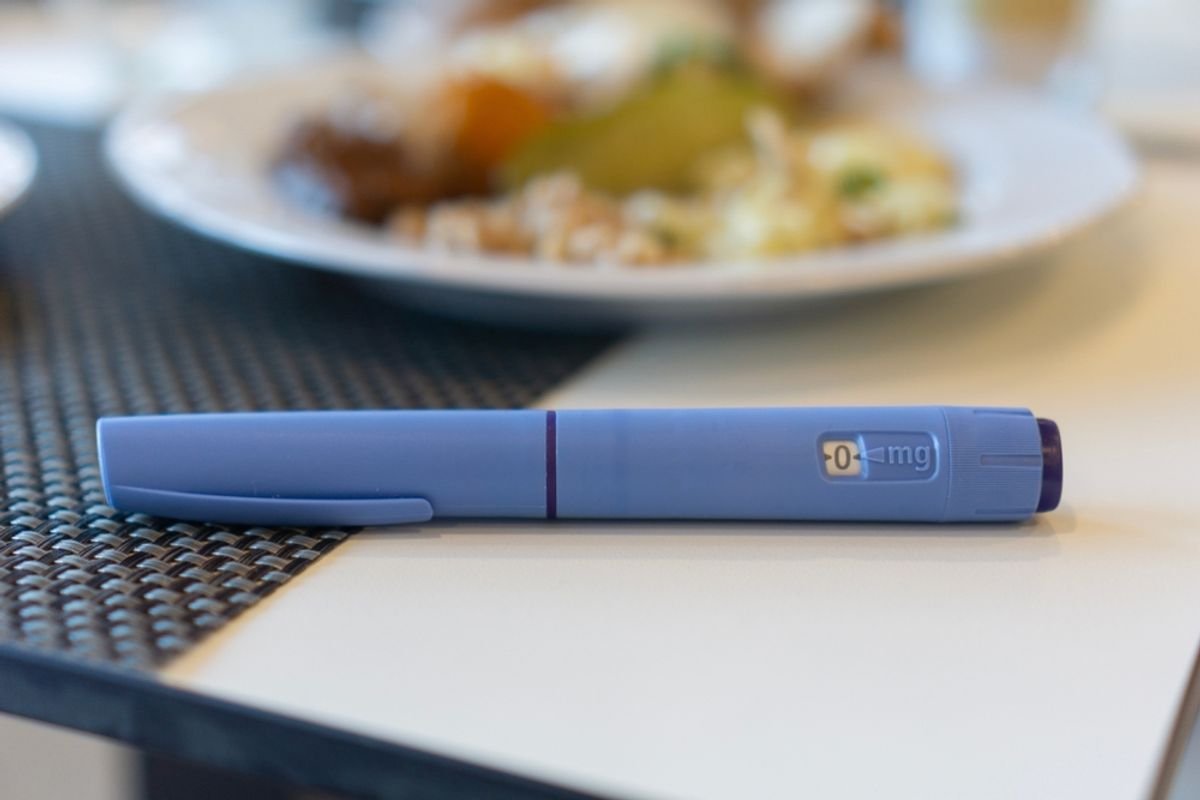
But GLP-1 agonists also come with side effects, mostly gastrointestinal, including constipation, nausea, and diarrhea. Not to mention that they’re costly, need to be continuously taken to provide any benefit, and often consist of a weekly injection — a downside for those who aren’t fans of needles.
Is there a way to enjoy the benefits of weight and fat loss without taking a medication? Researchers presenting at a recent meeting of the American Chemistry Association were promising just that—boba beads mixed into food and drink could provide the benefit of weight loss.
Alternatives to GLP-1 Agonists
The microbeads are made from green tea polyphenols, vitamin E, and seaweed that binds to fat in the gastrointestinal tract. You can easily integrate the beads into your diet by mixing them into beverages, desserts, or yogurt like you would boba beads.
Rats fed the tasteless beads lost 17 percent of their total body weight compared to rats who ate the diet alone. The mice who took the beads also had reduced fat tissue and less liver damage compared to rats who were on the high fat diet without the beads. They also had more fat in their feces, which is to be expected, but they didn’t seem to have any side effects from it.
The microbeads work similarly to Orlistat, a lipase inhibitor medication that also helps to more efficiently break down fats in the gastric and pancreatic systems to reduce fat absorption without negative side effects like damage to the liver.
“This an exciting prospect but it’s still far from clinic-ready,” says Hector Perez, M.D., a bariatric and general surgeon who was not involved in the study. “The fat-trapping microbeads showed impressive results in rats, but that was a tightly controlled, short-term, high-fat diet experiment.”
Read More: Gastric Bypass in a Pill Could Help Weight Loss Without Surgery or GLP-1 Side Effects
Exploring the Side Effects of Microbeads
He adds that any product that blocks fat absorption in humans would also have to overcome side effects like oily stools, urgency, fat-soluble vitamin deficiencies, and long-term gut effects.
These are some of the side effects that were common on Orlistat, specifically loose stools, urgency, stomach pain as well as more serious side effects like liver problems, kidney stones, and gallbladder problems.
And while these beads might be effective at blocking fats, they don’t have the whole-body effect that the latest generation of medications have. GLP-1 agonists change metabolic pathways, while the beads simply reduce calories from fat. The microbeads are a fat-blocker, but they don’t fundamentally change the way that people eat.
While we don’t yet know what side effects these microbeads will cause in humans, they remain an intriguing idea for those who want to lose weight but don’t want the commitment of surgery or drugs. Though we’re still a long way off, according to experts.
“If the beads can achieve Orlistat-level fat reduction without the messy gastrointestinal side effects, they could become a low-systemic-exposure alternative for people who can’t take or don’t want medication,” says Perez.
This article is not offering medical advice and should be used for informational purposes only.
Read More: The Difference Between Zepbound and Ozempic, and How They Work
Article Sources
Our writers at Discovermagazine.com use peer-reviewed studies and high-quality sources for our articles, and our editors review for scientific accuracy and editorial standards. Review the sources used below for this article: