
Chennai: Emerald Fennell’s adaptation of Emily Bronte’s 1847 novel, released this February and streaming on an OTT platform since this week, has evoked mixed reactions from critics and audiences alike. Since classics are adaptable, we have had several movies made out of Shakespearean plays and Jane Austen’s novels for decades, each reinterpretation reflecting the sensibilities of its time.
Their plots and complex characters are open to wide interpretation and can be re-imagined by every generation that reads these classics. Movies like Pride and Prejudice, To Kill a Mockingbird, Frankenstein, Count of Monte Cristo, Emma, Tale of Two Cities, Shakespeare’s Romeo and Juliet, Jane Eyre, Great Gatsby, Dr Jekyll and Mr Hyde and War of the Worlds are some of faithful adaptations and modernised retelling of classic literary tales. The Lord of the Rings, The Hunger Games, Harry Potter and Devil Wears Prada are not only book-to-screen adaptations but also some of the biggest movie franchises.
These adaptations leave a strong impact on the audience because they blend familiarity with discovery. There is a curiosity about whether the film will match or exceed what the audience had imagined while reading. The transition from imagination in books to visual form can make the story interesting and reshape how the audience perceives the original narrative. A scene understated on page can become dramatic on screen. Such movies bring audiences together and trigger discussions and debates. And thus stories confined to the pages of a book gain wider reach and relevance.
Actors give characters in the book a tangible identity. Besides, their expressions and dialogue delivery make characters more relatable and memorable. At the same time, adaptations evoke mixed reactions because they involve interpretation and change. Filmmakers often change, condense or reimagine parts of the story to suit the cinematic format. And that in turn makes movies get bouquets for a fresh perspective or brickbats when audience expectations are not met.
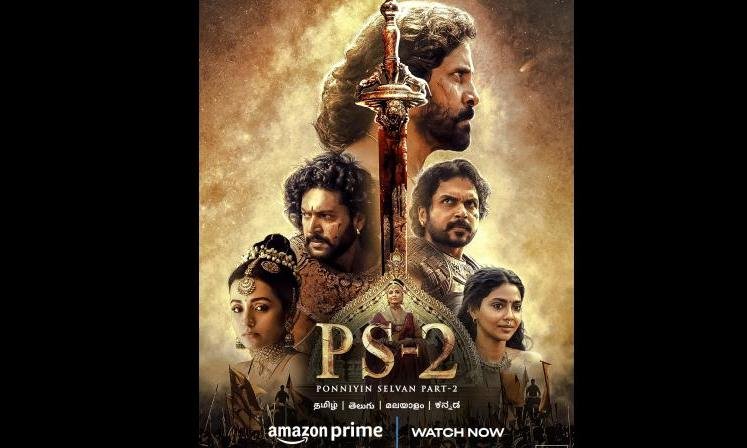
However, this creative reinterpretation has made several book-to-screen adaptations, like in the case of namma Kalki’s Ponniyin Selvan, impactful and engaging.