
This Ancient Practice May Lower Blood Pressure on Par With Some Drugs

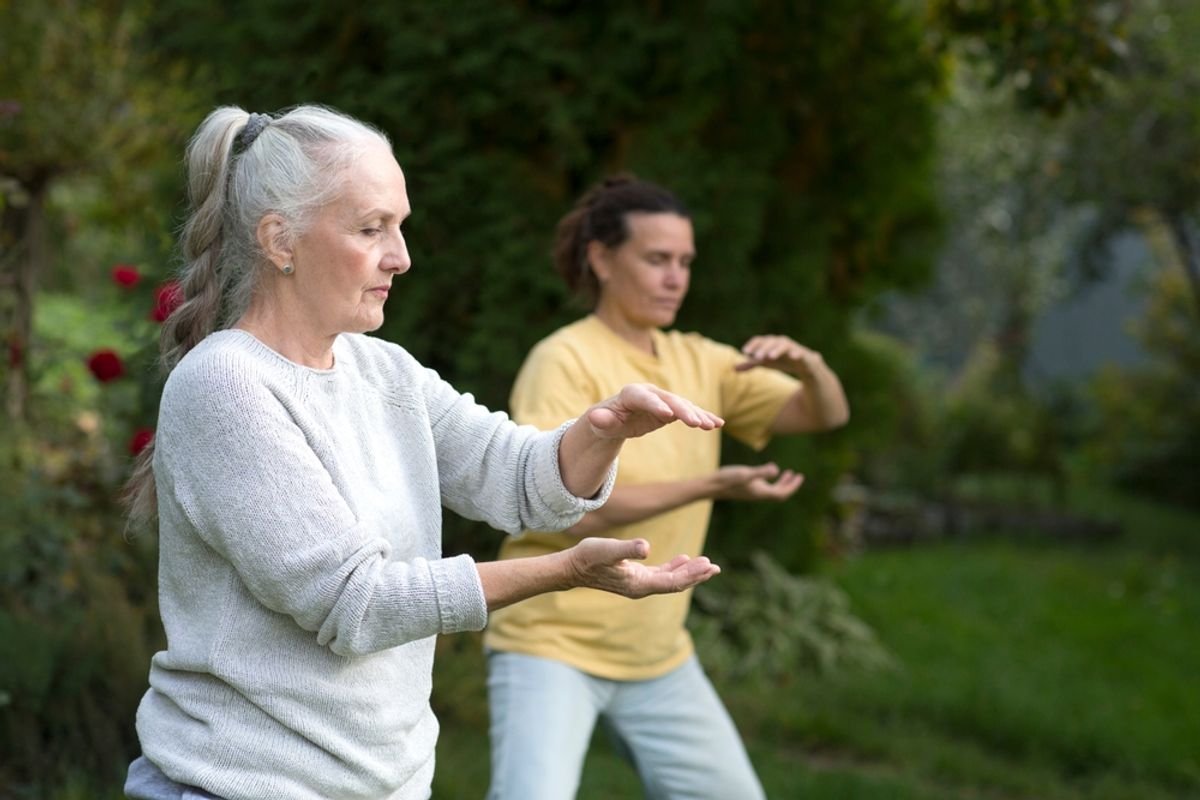
A gentle sequence of flowing movements might not be the first thing that comes to mind when thinking about lowering blood pressure — but new research suggests it could be surprisingly effective. In a large randomized clinical trial, researchers found that practicing baduanjin, a traditional Chinese mind-body exercise that blends slow movement, controlled breathing, and meditative focus, reduced blood pressure just as well as brisk walking and even similar to some blood pressure medications.
Even more encouraging: participants began seeing improvements within three months, and the benefits lasted throughout the year-long study. The findings, published in the Journal of the American College of Cardiology (JACC), point to baduanjin as a simple, low-cost lifestyle intervention that people may find easier to stick with than more demanding fitness routines.
“Given its simplicity, safety and ease at which one can maintain long-term adherence, baduanjin can be implemented as an effective, accessible and scalable lifestyle intervention for individuals trying to reduce their blood pressure,” said study senior author Jing Li, director of the Department of Preventive Medicine at the National Center for Cardiovascular Diseases in Beijing, China, in a press statement.
Baduanjin — A Traditional Chinese Mind-Body Practice
The ancient practice of baduanjin is a form of Chinese qigong intentionally designed to improve health and is still widely performed, mostly in group settings across China. It consists of a standardized eight-part movement sequence incorporating aerobic, strength-building, flexibility, and mindfulness elements.
Baduanjin roughly translates to “Eight Pieces of Brocade,” or “eight silken movements,” comparing the exercises to flowing fabrics. The routine features vivid names such as “Drawing the Bow,” “Wise Owl Gazing Back,” and “Big Bear Turns to Side.”
Sessions typically last between 10 and 30 minutes, depending on goals and practitioner preferences. With no equipment required, a gentle learning curve, and the flexibility to practice almost anywhere, baduanjin is safe for most people, making it a strong candidate for an accessible, recommended health practice.
Read More: Traditional Chinese Medicine Works Surprisingly Well When Treating Diabetic Kidney Disease
Baduanjin Performs as Well as Some Blood Pressure Meds
To investigate baduanjin’s impact on blood pressure, a research team from Peking University invited 216 participants from various communities and randomly assigned them to one of three interventions: practicing baduanjin, engaging in self-directed exercise, or brisk walking, all for one year. Participants were closely monitored for the first 12 weeks and then left to their own devices for the remainder of the study.
Researchers measured changes in 24-hour systolic blood pressure among participants, who were all 40 years old or older and met the criteria for stage 1 hypertension, defined as a systolic reading between 130 and 139 mmHg. A normal systolic reading is around 120 mmHg, according to the American Heart Association.
The results were promising. Compared with the self-directed exercise group, participants practicing baduanjin for 30 minutes, five days per week, showed significantly lower 24-hour systolic blood pressure after 12 weeks and maintained those improvements at one year with reductions comparable to the effects of some established blood pressure medications. When compared with brisk walking, baduanjin performed equally well and demonstrated a similar safety profile.
Low-Cost Practice Successful Without Supervision
As the global prevalence of high blood pressure rises — along with the risk of heart disease — identifying realistic, sustainable exercises is increasingly important. Many clinical guidelines recommend physical activity, but adherence often falters due to the need for equipment, gym memberships, or ongoing supervision by trained professionals.
Baduanjin, however, sustained the desired blood pressure reductions even after supervision ended at the 12-week mark, highlighting how easily participants integrated the practice into daily life.
“Baduanjin has been practiced in China for over 800 years, and this study demonstrates how ancient, accessible, low-cost approaches can be validated through high-quality randomized research,” said Harlan Krumholz, editor-in-chief of JACC and professor at the Yale School of Medicine, in the release.
“The blood pressure effect size is similar to that seen in landmark drug trials, but achieved without medication, cost or side effects. This makes it highly scalable for community-based prevention, including in resource-limited settings,” Krumholz added.
This article is not offering medical advice and should be used for informational purposes only.
Read More: Old Blood Pressure Drug May Hold the Key to Halt Aggressive Brain Cancer Growth
Article Sources
Our writers at Discovermagazine.com use peer-reviewed studies and high-quality sources for our articles, and our editors review for scientific accuracy and editorial standards. Review the sources used below for this article: