
Pythons’ Unique Eating Habits May Inspire the Next Generation of Weight Loss Drugs

Clearly, humans are very different from snakes. For instance, we don’t swallow meals whole, eat portions larger than our own body weight, or go months between bites. Still, this extreme feast-and-fast lifestyle might hold some surprisingly useful insights for human health.
With obesity rates rising globally, the demand for effective weight loss treatments is only growing. Prominent drugs like Ozempic and Wegovy work by reducing appetite and slowing digestion and have been hugely successful. But they’re not perfect, often bringing side effects like nausea and muscle loss.
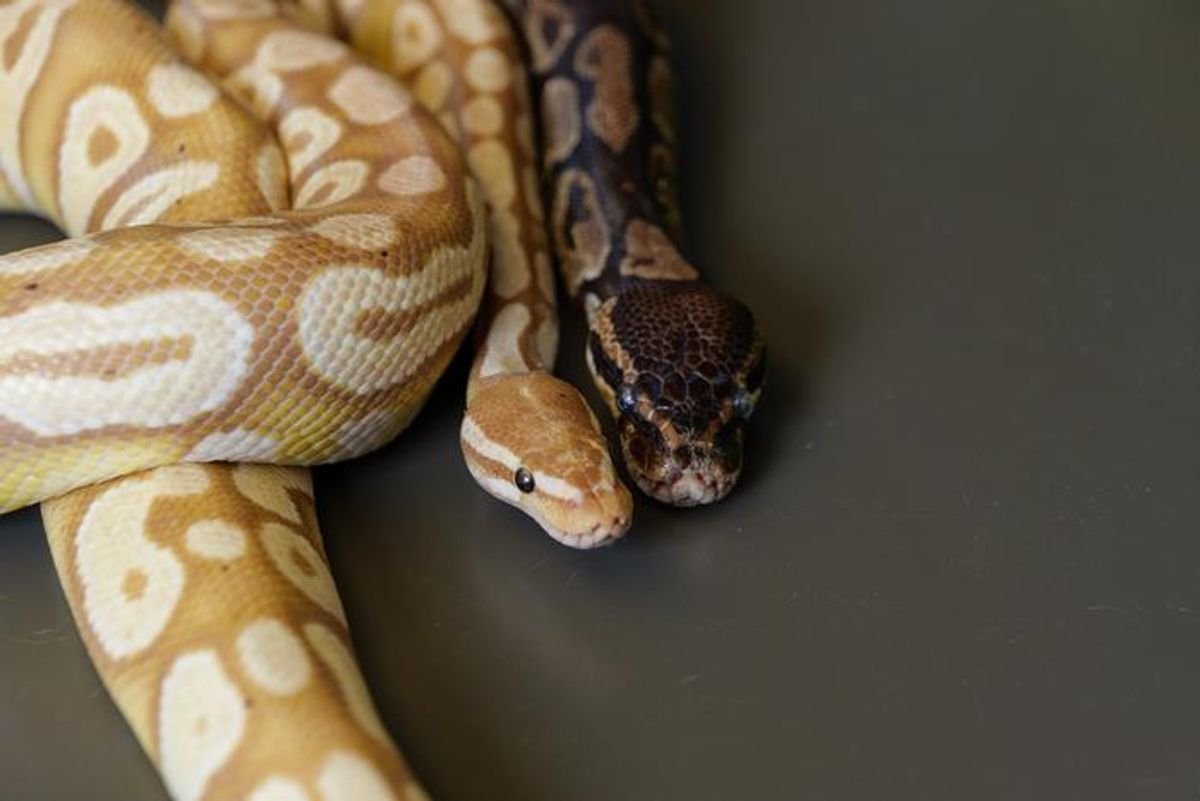
Now, a research team from Stanford Medicine and the University of Colorado has identified a compound in python blood after feeding that could point to a different approach. The metabolite, called pTOS, spikes after a large meal, and when given to obese mice, it caused weight loss. The study, published in Nature Metabolism, suggests that with further research, this molecule could inspire new treatments that avoid some of the downsides of current drugs.
“Mammals have a relatively narrow physiologic and metabolic range,” said Jonathan Long, associate professor at the department of pathology at Stanford Medicine, in a press statement. “Obviously, we are not snakes. But maybe by studying these animals we can identify molecules or metabolic pathways that also affect human metabolism.”
How Reptiles Shape Human Treatments
This isn’t the first time reptiles have helped shape modern medicine. Snake venom, for example, has yielded compounds used in blood pressure and anti-clotting drugs. Even semaglutide, the active ingredient in Ozempic and Wegovy, was partly inspired by hormones found in the venom of the Gila monster.
Beyond toxins, researchers are increasingly interested in how animals like pythons handle extreme eating patterns. After weeks without food, a python can consume a massive meal and within hours, its organs ramp up dramatically, sometimes growing by as much as 50 percent to handle the energy demand of digestion.
Read more: Brown Tree Snakes Use Key Muscles to “Stand” Upright — Possibly Inspiring Future Soft Robotics
Compound Found in Pythons Makes Mice Drop Weight
The discovery of pTOS came from an unexpected place. Researchers at the University of Colorado Boulder were originally studying heart growth in pythons after feeding, which temporarily enlarges the organ.
They analyzed blood from young Burmese pythons before and after feeding. After a month-long fast, the snakes consumed meals equal to about a quarter of their body weight, triggering dramatic shifts in their blood chemistry. More than 200 metabolites surged, but one stood out: pTOS, which increased over a thousandfold.
“When we administered pTOS to laboratory mice at levels similar to what we saw in the pythons after eating, we didn’t see any effect on energy expenditure, beta cell proliferation or organ size. What it did regulate was the appetite and feeding behaviors of the mice,” said Long.
Unlike current drugs, pTOS doesn’t rely on typical appetite hormones or digestion. Instead, it’s produced by the snake’s gut bacteria breaking down dietary protein. When given antibiotics, pTOS levels in pythons didn’t surge as before.
Humans Produce the Magic Molecule, too
Later, the researchers mapped out the pathway of the metabolite. After a meal, pTOS is generated in the gut and liver, then travels to the brain.
“We also found that it then goes to a region of the brain called the hypothalamus, which is a well-known regulator of energy homeostasis,” said Long. “There it activates neurons involved in regulating feeding behaviors.”
In mice, this translated to reduced appetite and weight loss, but without the gastrointestinal issues, muscle loss, nausea, or fatigue often seen with current drugs.
When the team looked at humans, they did find pTOS in samples, but at much lower levels. In most volunteers, it rose only slightly after a meal. Interestingly, one individual showed a spike comparable to python levels, hinting that stronger responses may be possible.
For now, any application in humans remains a long way off. But the study highlights how extreme animals like pythons may hold a treasure trove of overlooked biology.
“We’re excited to learn from these snakes and other ‘extreme’ animals to inspire future discoveries,” Long added in the release.
This article is not offering medical advice and should be used for informational purposes only.
Read more: Here’s How Ozempic Actually Works for Weight Loss
Article Sources
Our writers at Discovermagazine.com use peer-reviewed studies and high-quality sources for our articles, and our editors review for scientific accuracy and editorial standards. Review the sources used below for this article: