
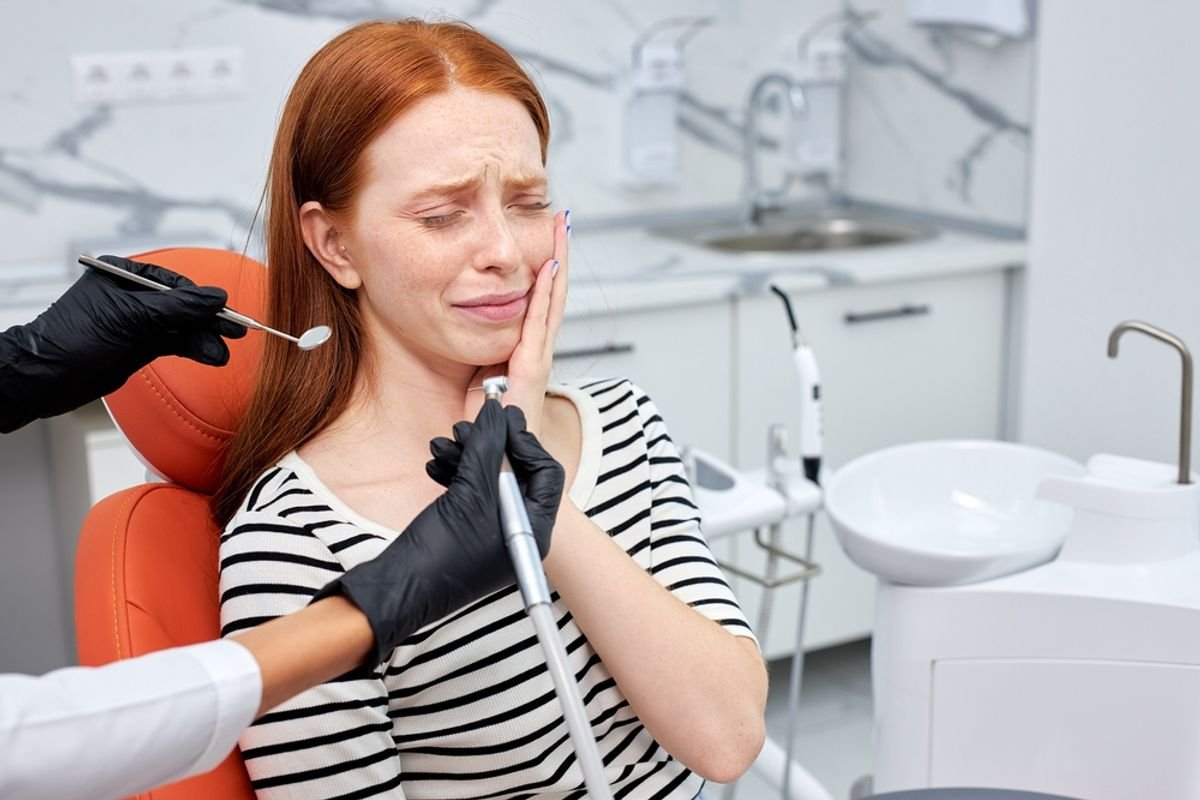
People With Red Hair Carry a Gene That May Change How Pain Is Felt and Treated

Before administering anesthesia, clinicians carefully evaluate a patient’s overall health, physiology, and medical history to determine the safest and most effective approach. Still, beyond factors like age or body weight, one unusual trait has long sparked curiosity in both patients and doctors alike: red hair.
For years, anecdotal reports have suggested that people with naturally red hair experience pain differently and may require altered doses of pain medication or anesthesia. Read on to learn what science actually supports and where evidence falls short.
Read more: Female Hormones Help the Body Produce Its Own Opioids to Handle Pain
The Gene Behind the Difference
Naturally red hair is rare, occurring in less than 2 percent of the world’s population. Its distinctive color is associated with variants in the melanocortin-1 receptor (MC1R) gene. According to UCLA Health, this gene is best known for determining hair and skin pigmentation, UV sensitivity, and melanoma risk, but it also seems to play a role in how the body processes pain and responds to certain medications.
Anesthesia allows procedures to be performed safely and humanely. But how anesthetic agents interact based on a person’s genetic makeup remains an active area of research. Individuals with MC1R variants appear to show differences in pain sensitivity and responsiveness to both local and systemic anesthesia.
Understanding these variations matters. If certain patients predictably respond differently to anesthetics, clinicians could adjust protocols to improve comfort and safety. While we’re not quite there yet, the genetic link offers a compelling explanation for the long-standing red-hair pain debate.
Different Pain Reception, Reactions to Opioids, And Local Anesthesia
Studies exploring pain perception and medication response in red-haired individuals have produced mixed but intriguing results. A 2022 study in Pain suggests red-haired women may be more sensitive to certain types of pain, like cold-related pain.
However, a study in the Journal of Medical Genetics found that redheads tolerated pain induced by electrical stimulation better than non-red-haired control groups. Overall, strong differences between sexes have been noted as well.
Medication response also appears to vary. Research indicates that MC1R gene variants can influence how redheads respond to analgesics, though the effect is not consistent across sexes or drug types. Research from PNAS found red-haired women responded differently to κ-opioid painkillers, while the Journal of Medical Genetics showed increased response to µ-opioids (morphine-like drugs) in MC1R variant carriers, no matter the sex, though more study may be needed.
Local anesthesia may be where differences are most noticeable. Several studies, including one in Anesthesiology, reported reduced effectiveness of injected lidocaine in red-haired participants compared to dark-haired individuals. Responses to general anesthesia and sedatives are less predictable, with some research suggesting higher dose requirements and others finding no difference at all, according to studies in Springer Nature Link and Anesthesiology.
Overall, MC1R variants appear to influence pain and medication response, but results remain inconsistent, as researchers from Sweden concluded in a review published in May 2024.
Evidence Isn’t Settled Yet
Despite intriguing findings, clear conclusions remain elusive. Many studies included small sample sizes, making it difficult to generalize results. Researchers reviewing this body of work frequently call for larger, randomized studies with improved designs.
Also, a significant portion of the research often cited today is more than 20 years old. Advances in genetics, anesthetic techniques, and study methodology mean newer data are badly needed. Population diversity also matters, as different MC1R variants may influence medication response in distinct ways.
Looking ahead, some researchers suggest genetic testing could eventually help guide anesthesia choices, particularly for patients with a history of anesthesia resistance. The long-term goal is personalized pain management that maximizes safety and comfort.
Red hair may be associated with subtle differences in pain and medication response, but understanding exactly how and when these differences matter clinically still requires further research.
This article is not offering medical advice and should be used for informational purposes only.
Read more: Why Does Our Hair Turn Gray As We Age And Can We Stop It?
Article Sources
Our writers at Discovermagazine.com use peer-reviewed studies and high-quality sources for our articles, and our editors review for scientific accuracy and editorial standards. Review the sources used below for this article: