
NASA’s Artemis II Mission Now Targeting March 2026 Launch After Fuel Test Issue

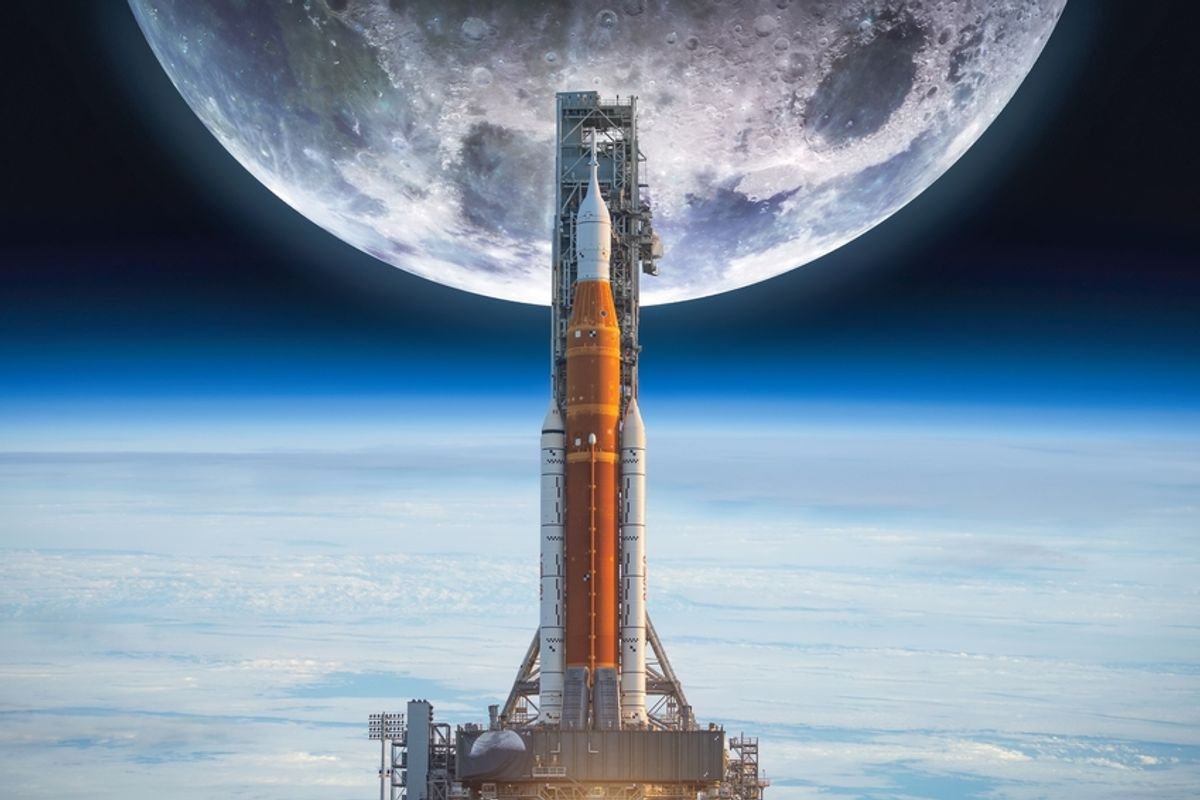
NASA’s Artemis II mission, the first to carry astronauts in the Artemis program, is now targeting a March 2026 launch opportunity after engineers concluded a key prelaunch fueling test at Kennedy Space Center.
The delay follows a wet dress rehearsal conducted on Feb. 2, 2026, where teams fully fueled the Space Launch System (SLS) rocket and practiced a full countdown sequence to identify potential issues before launch day, according to NASA.
Artemis II Fuel Test
A wet dress rehearsal is one of the final tests before flight. During the exercise, engineers load the rocket with super-cold liquid oxygen and liquid hydrogen and run through nearly the entire launch countdown.
According to NASA, teams successfully filled the rocket’s tanks and completed several planned objectives before engineers detected a persistent liquid hydrogen leak in a section of plumbing that feeds fuel into the rocket’s core stage. During fueling operations, teams paused the flow of hydrogen to allow hardware to warm so seals could reseat and adjusted propellant flow rates to resolve the issue.
Although the tanks were fully loaded, the leak rate increased again during terminal countdown operations. With only minutes remaining, teams ended the rehearsal after the hydrogen leak resurfaced.
Cold weather at the launch site also meant teams had to prepare and warm certain equipment before fueling could begin, slowing preparations.
NASA ended the rehearsal and secured the rocket and Orion spacecraft while engineers reviewed the data. The agency is now determining whether another wet dress rehearsal will be needed before proceeding toward launch. March 2026 is currently the earliest available launch opportunity.
Read More: New Model Clarifies a Jupiter Mystery After Finding Oxygen Hidden Beneath Storm Clouds
What the Artemis II Moon Mission Will Do
Artemis II will be the first crewed flight of the SLS rocket and Orion spacecraft. The mission follows the uncrewed Artemis I test flight in 2022 and represents the next step in NASA’s effort to send astronauts beyond low Earth orbit, according to NASA.
Four astronauts are assigned to the mission: NASA astronauts Reid Wiseman, Victor Glover, and Christina Koch, along with Canadian Space Agency astronaut Jeremy Hansen.
The flight will begin with Orion entering a high Earth orbit, where crews will verify key spacecraft systems. After completing those checks, the spacecraft will perform a translunar injection burn to send it toward the Moon. According to NASA, Orion will travel more than 230,000 miles from Earth on a free-return trajectory that carries it around the far side of the Moon before naturally returning home.
Unlike future Artemis missions, Artemis II will not attempt a lunar landing. Its primary objectives include testing life support systems, navigation, communications, propulsion, and crew operations in deep space.
What NASA Says About the Launch Delay
NASA says the rehearsal met many of its planned objectives, including propellant loading and systems testing. Engineers are now reviewing the results to determine next steps as the agency works toward a March 2026 launch opportunity.
Artemis II will serve as a critical step before future missions attempt to land astronauts on the Moon.
Read More: Planets With Two Suns Are Almost Impossible To Find — General Relativity May Be Why
Article Sources
Our writers at Discovermagazine.com use peer-reviewed studies and high-quality sources for our articles, and our editors review for scientific accuracy and editorial standards. Review the sources used below for this article: