
Medieval Burial Sites in Denmark Show Illness Didn’t Erase Social Status

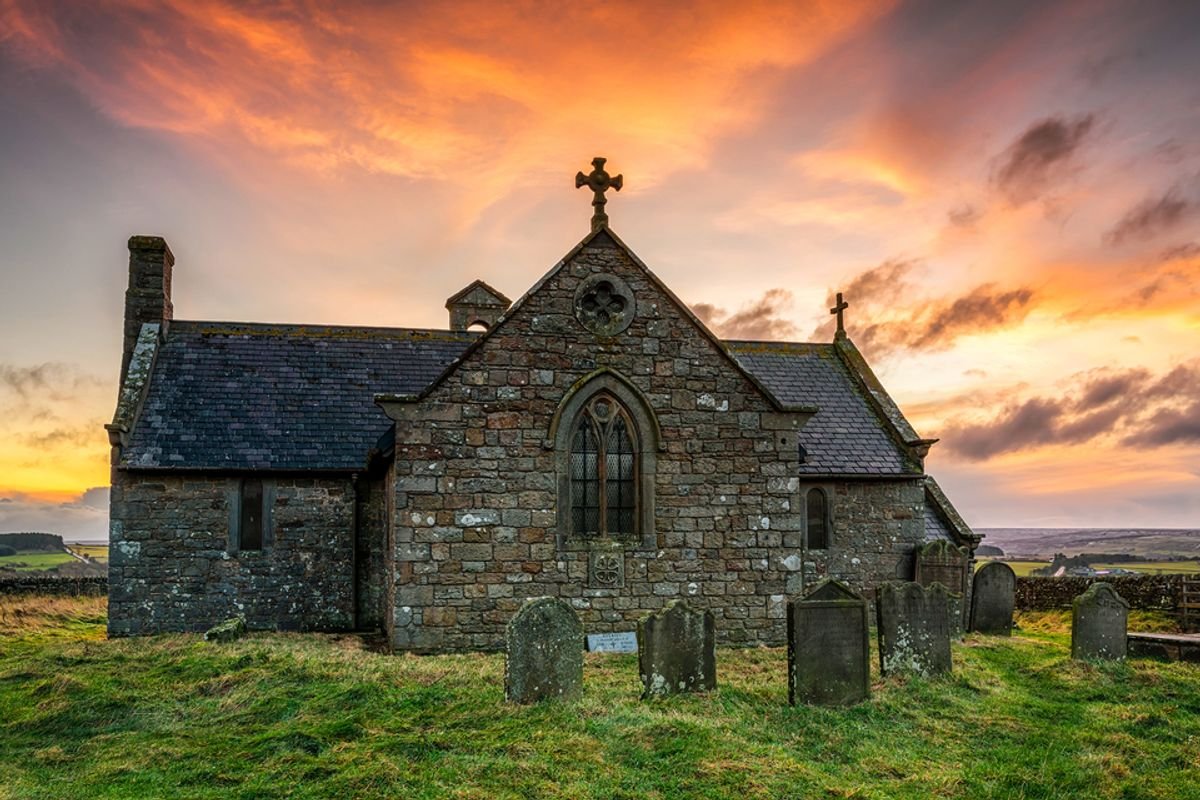
In medieval Denmark, even death came with a price tag. The closer your grave lay to the church walls — or even inside them — the more it cost, signaling wealth and status that extended beyond life. But what happened if you were visibly ill in a time when disease was often seen as a sign of sin and shame?
A new study published in Frontiers in Environmental Archaeology suggests the answer is not what we might expect. Researchers examining nearly a thousand medieval skeletons found that people with leprosy or tuberculosis were not excluded from high-status burial spaces in Denmark. Instead, many were buried alongside their neighbors near churches and monasteries.
“Our study reveals that medieval communities were variable in their responses and in their makeup. For several communities, those who were sick were buried alongside their neighbors and given the same treatment as anyone else,” said Saige Kelmelis, lead author of the study, in a press release.
Read More: Ancient Teeth Record Climate Change and Medieval Migration Into England
Mapping Leprosy and Tuberculosis in Medieval Denmark’s Cemeteries
To explore whether illness affected access to certain graves, the team examined 939 adult skeletons from five Danish cemeteries. Three were located in towns, where crowded conditions made disease easier to spread. Two were rural, offering a contrast to urban life.
They first determined which individuals showed skeletal signs of leprosy or tuberculosis. Leprosy can leave visible damage to the face, hands, and feet. Tuberculosis often affects bones near the lungs and joints and may not cause obvious outward signs.
“Tuberculosis is one of those chronic infections that people can live with for a very long time without symptoms,” explained Kelmelis in the press release. “Also, tuberculosis is not as visibly disabling as leprosy, and in a time when the cause of infection and route of transmission were unknown, tuberculosis patients were likely not met with the same stigmatization.”
After identifying signs of illness, the researchers mapped where each person had been buried, looking for patterns to figure out if the sick were more likely to be placed in lower-status areas.
No Clear Sign of Exclusion
Across most of the cemeteries, people with leprosy or tuberculosis were buried in both high- and low-status areas. In fact, some cemeteries contained large numbers of tuberculosis cases in prestigious plots. At one urban site, just over half of those buried in high-status areas showed signs of tuberculosis.
Only one cemetery, in the town of Ribe, showed a noticeable difference: about a third of those buried in lower-status ground had tuberculosis, compared to far fewer in church or monastery plots. Even there, researchers think this likely reflected differences in exposure versus exclusion.
Those who could afford better housing and nutrition may have survived tuberculosis longer, giving the disease time to leave marks on their bones. Ironically, their higher status may have made them more visible in the archaeological record.
“There is documentation of individuals being able to pay a fee to have a more privileged place of burial,” explained Kelmelis. “In life, these folks — benefactors, knights, and clergy — were also likely able to use their wealth to secure closer proximity to divinity, such as having a pew closer to the front of the church.”
Rethinking Medieval Attitudes Toward Disease
The findings challenge the popular image of medieval society as harsh toward the visibly ill. In several Danish communities, illness did not automatically mean social exile.
“Individuals may have been carrying the bacteria but died before it could show up in the skeleton,” said Kelmelis in the press release. “Unless we can include genomic methods, we may not know the full extent of how these diseases affected past communities.”
For now, the cemeteries suggest that illness did not automatically erase status, even in death.
Read More: 14th Century Tooth Reveals Grim Fate of Edinburgh Teen Killed by the Black Death
Article Sources
Our writers at Discovermagazine.com use peer-reviewed studies and high-quality sources for our articles, and our editors review for scientific accuracy and editorial standards. Review the sources used below for this article: