
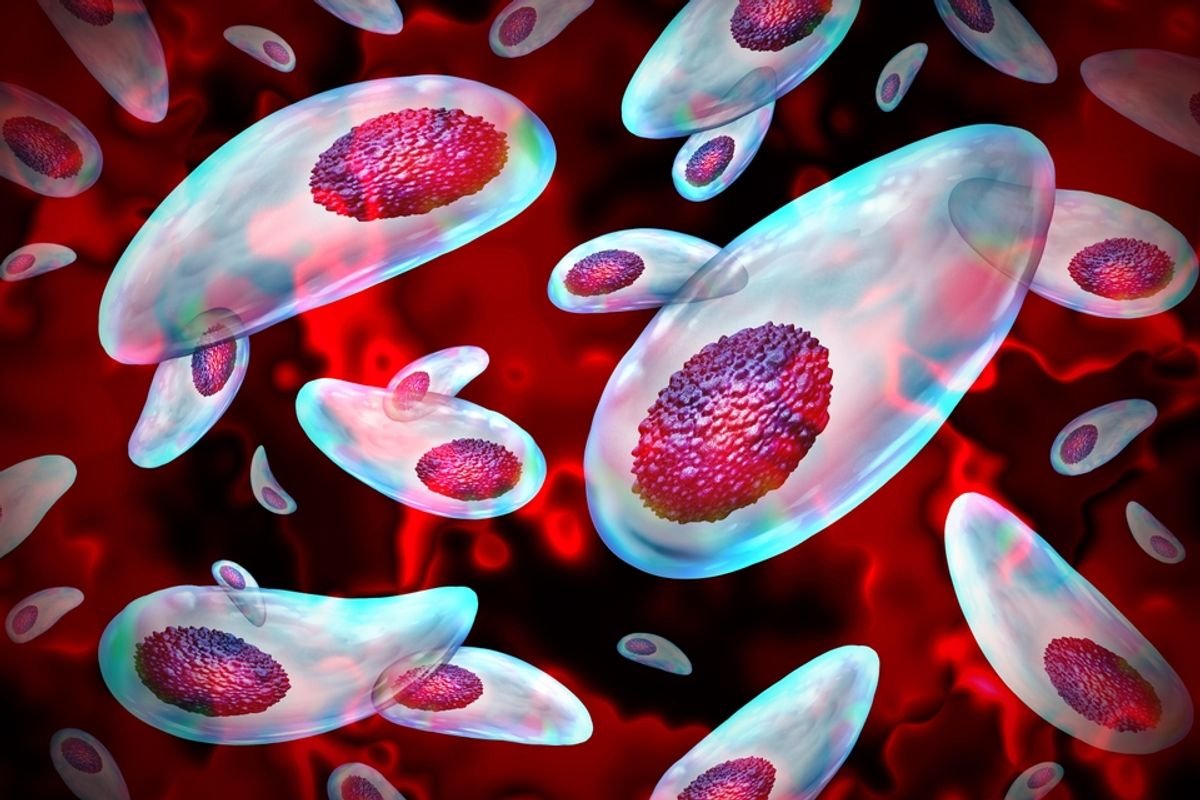
How the Immune System Controls a Brain Parasite Found in 1 in 3 People

A microscopic parasite that can live for decades in the human brain infects an estimated one-third of the world’s population — usually without causing symptoms. But in people with weakened immune systems, the infection can lead to severe neurological disease, raising long-standing questions about how the body keeps the parasite in check.
Now, research published in Science Advances reports that the immune system controls the parasite by killing infected T cells, cutting off the parasite’s ability to survive inside them.
“Toxoplasma parasites need to live inside cells, so the host cell dying is game over for the parasite,” said research lead Tajie Harris in a press release.
Read More: The Problem with Parasites
When a Brain Parasite Infects Immune Cells
The parasite, Toxoplasma gondii, is typically transmitted through exposure to cat feces, contaminated produce, or undercooked meat. After infection, it can spread throughout the body before forming long-lasting cysts in the brain and other tissues. In healthy people, the infection usually remains dormant. In immunocompromised people, however, the parasite can reactivate and begin replicating again once immune control weakens.
For years, scientists have known that CD8+ T cells are central to preventing that outcome. These immune cells can directly kill infected cells or signal other parts of the immune system to respond. But researchers did not fully understand what happens when T. gondii bypasses those defenses and infects the T cells themselves.
Studying Toxoplasma Inside T Cells
To investigate, the researchers focused on a key assumption about immune defense.
“We know that T cells are really important for combating Toxoplasma gondii, and we thought we knew all the reasons why. T cells can destroy infected cells or cue other cells to destroy the parasite. We found that these very T cells can get infected, and, if they do, they can opt to die, Harris said.
The team tested this idea using mouse models of infection, tracking how T. gondii behaves once it enters CD8+ T cells. They paid particular attention to an enzyme called caspase-8, which plays a role in triggering programmed cell death.
Some mice were genetically engineered, so their T cells lacked caspase-8, while others retained normal function. Both groups mounted immune responses to the parasite — but their outcomes turned out very differently.
Stopping a Brain Parasite by Killing Infected T Cells
Mice lacking caspase-8 accumulated far higher levels of T. gondii in their brains. Over time, those animals became seriously ill and died, even though their immune systems were otherwise active. Brain tissue analysis revealed large numbers of infected T cells that had failed to shut down.
In contrast, mice with intact caspase-8 activity survived. In those animals, infected T cells were quickly cleared, preventing the parasite from using immune cells as a refuge.
For people with healthy immune systems, this cellular safeguard may keep a widespread brain parasite under control. When that system falters, it can make people very sick — offering new insight into why toxoplasmosis remains such a serious concern for vulnerable patients.
“We scoured the scientific literature to find examples of pathogens infecting T cells. We found very few examples,” said Harris. “Now, we think we know why. Caspase-8 leads to T cell death. The only pathogens that can live in CD8+ T cells have developed ways to mess with Caspase-8 function. Prior to our study, we had no idea that Caspase-8 was so important for protecting the brain from Toxoplasma.”
This article is not offering medical advice and should be used for informational purposes only.
Read More: This Cat Parasite Can Infect Humans, and You Can Get It From Litter Boxes or Unwashed Veggies
Article Sources
Our writers at Discovermagazine.com use peer-reviewed studies and high-quality sources for our articles, and our editors review for scientific accuracy and editorial standards. Review the sources used below for this article: