
How a High-Fat Diet Sent Living Gut Bacteria into the Brain — and Why This Mouse Study Raises Big Questions

We’ve heard of many different microbiomes colonizing our bodies: most prominently the gut microbiome, but also the skin, oral, and vaginal microbiomes. Another body part, mostly thought of as sterile, might be added to the list as well: the brain.
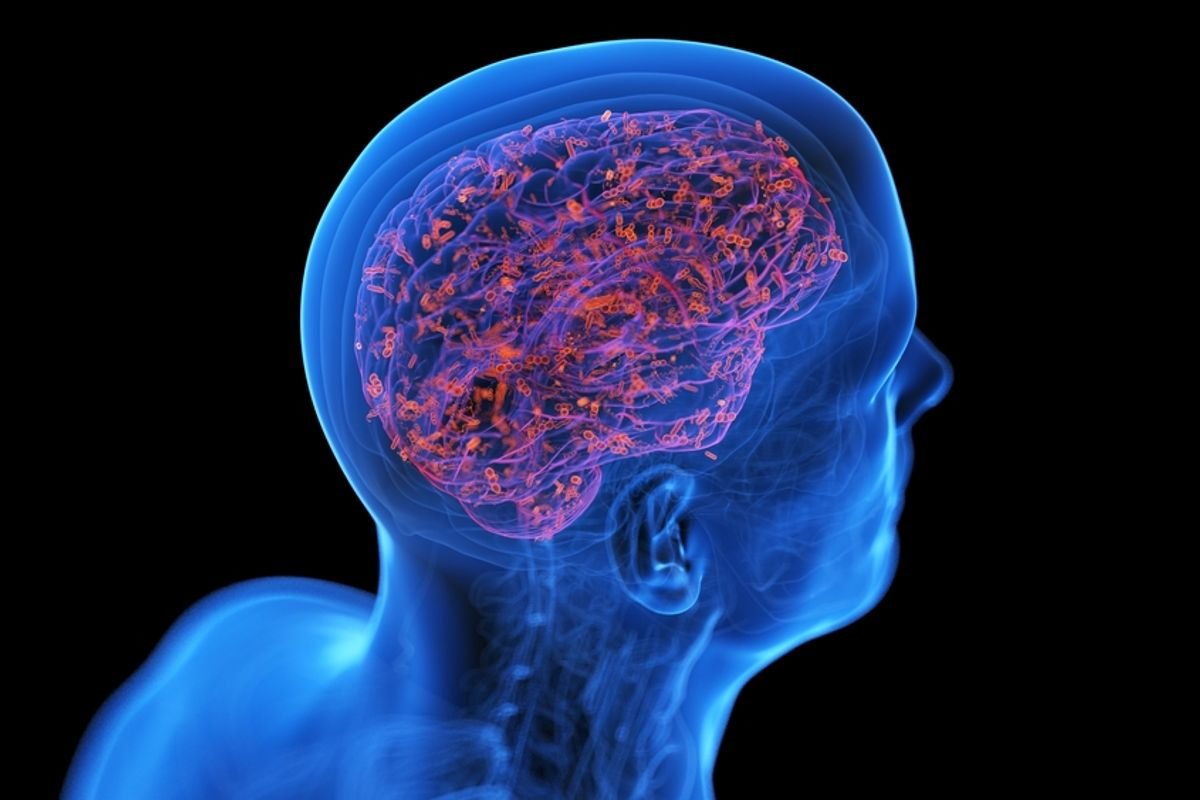
Current research into the gut–brain axis has brought an unusual discovery to light, demonstrating that a high-fat Western diet enables live bacteria to travel to the brain in mice. While the gut–brain axis is not a completely new concept, it usually refers to the indirect influence of the gut microbiome on the brain through chemical metabolites that act on the nervous system.
This unexpected migration, using the vagus nerve as a highway connecting the intestines and the brain, may have implications for neurodegenerative diseases in humans, according to researchers from Emory University in Atlanta. Their study was recently published in PLOS Health.
“This may shift the focus of new interventions for brain conditions, with the gut as the new target of the therapy,” said study co-author David Weiss, a microbiologist and professor at Emory University’s School of Medicine, in a press release. “That potential anatomical shift of the target could have an unbelievable impact on how people with neurological conditions benefit from therapies.”
The Gut Microbiome and Bacteria in the Brain
Researchers have long suspected that an imbalanced gut microbiome may be linked to neurological disease, but the mechanisms connecting the gut and the brain are still active subjects of research.
Scientists already know of several pathways through which gut microbes may indirectly influence brain health. Certain microbial communities can shape the immune system and the neuroendocrine system, and bacteria in the gut release molecules that interact with the nervous system.
But living bacteria inside the brain? That’s usually associated with severe infections like sepsis or meningitis, both medical emergencies.
The Emory team observed something different. In their experiments, mice fed a high-fat diet developed changes in their gut microbiome along with a weakened intestinal barrier. This so-called “leaky gut” allowed microbes to enter the vagus nerve, which connects the brainstem to several major organs, including the heart, lungs, liver, and intestines.
From there, small numbers of bacteria could later be detected inside the brains of the mice, raising questions about what these microbes might be capable of in that environment.
“One of the biggest translational aspects of this study is that it suggests that the development of neurological conditions may be initiated in the gut,” said Weiss.
Read more: The Gut Microbiome Could Help Our Bodies Fight Cancer
Bacteria Can Travel from a Weak Gut to the Brain
To investigate the phenomenon, researchers fed germ-free mice a Paigen diet (a high-fat diet containing 45 percent carbohydrates and 35 percent fat) for nine days. This diet resembles a typical Western diet and has previously been shown to weaken the intestinal barrier.
As expected, the diet altered the animals’ gut microbiome and increased intestinal permeability. The researchers also detected bacteria traveling along the vagus nerve and accumulating in small numbers in the brain. Notably, the microbes were not found in the bloodstream or other organs, supporting the idea that they moved directly from the gut to the brain via the vagus nerve.
The team confirmed the connection in several additional ways. When mice received antibiotics that disrupted their gut microbiome, the bacterial composition detected in their brains shifted accordingly. The researchers also introduced a genetically engineered bacterium carrying a DNA “barcode.” In mice fed the high-fat diet, that exact tagged strain later appeared in the brain. Interestingly, the effect reversed when the mice returned to a normal diet.
What this Could Mean for Brain Disease
The researchers stress that the bacterial numbers detected in the brain were very low — typically only in the hundreds — and that strict precautions were taken to avoid contamination. The findings, therefore, do not indicate infections such as sepsis or meningitis.
However, the team also detected similarly low levels of bacteria in the brains of mouse models of neurological diseases, including Parkinson’s and Alzheimer’s. The results raise the possibility that gut-derived microbes might play a role in triggering or accelerating these conditions.
“This research highlights the need for further study into how dietary shifts have a huge influence on human behavior and neurological health,” said Arash Grakoui, co-principal investigator of the study and professor of medicine, microbiology, and immunology at Emory University, in the statement.
This article is not offering medical advice and should be used for informational purposes only.
Read more: A Few Days of Fatty Foods Can Disrupt Your Memory, Causing Cognitive Impairment
Article Sources
Our writers at Discovermagazine.com use peer-reviewed studies and high-quality sources for our articles, and our editors review for scientific accuracy and editorial standards. Review the sources used below for this article: