
House Burping Is a Winter Wellness Trend That Could Improve Your Sleep and Health

As many parts of North America get ready for a surge of cold weather, opening your windows is the last thing on people’s minds. However, a growing number of homeowners are doing exactly that — intentionally and enthusiastically — in the hope of better health.
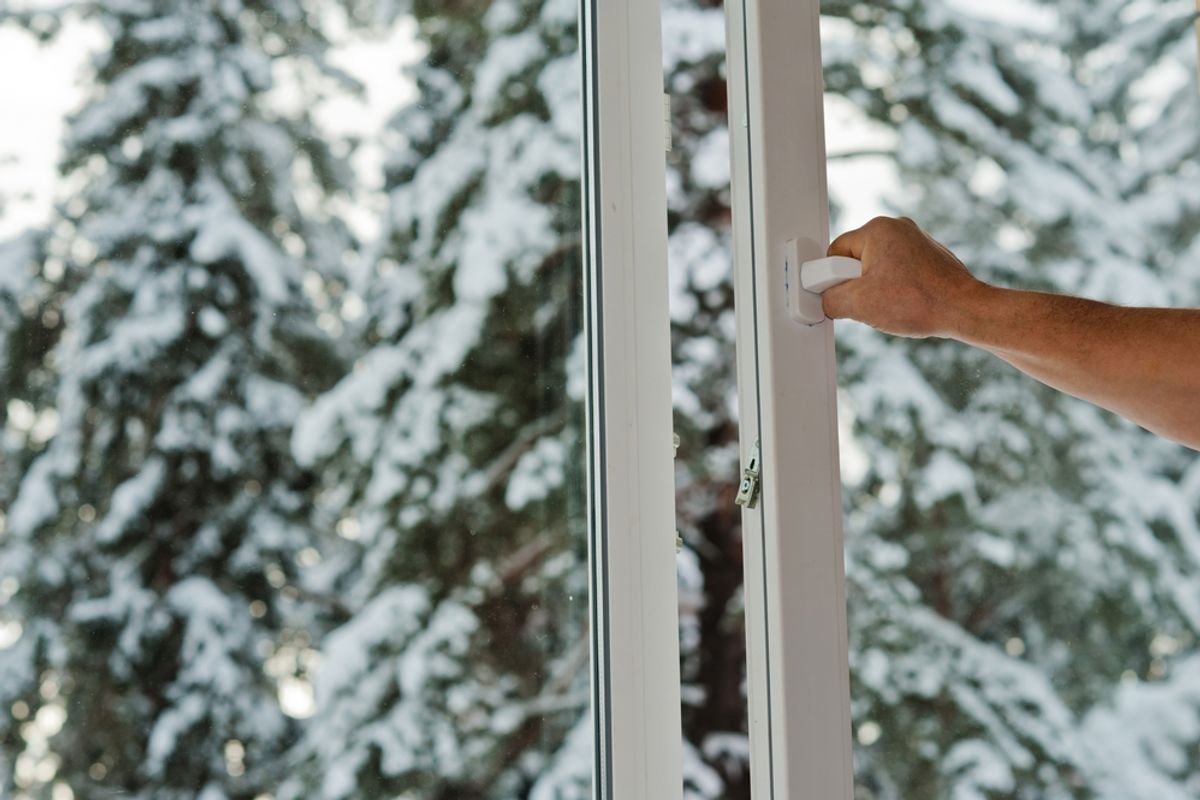
The practice, often referred to in America as “house burping,” involves briefly opening windows to flush out stale indoor air and let fresh air circulate. Although it’s currently having a viral moment on TikTok, the idea itself is far from new. Behind the trend is a growing body of research suggesting that a few minutes of cold air might be surprisingly good for your home and your body.
What Is House Burping?
House burping is essentially a modern rebrand of lüften, a long-standing German practice whose name translates to “airing out.” In Germany, ventilation is a cultural norm rather than a lifestyle hack. People routinely open windows first thing in the morning, after cooking or showering, and following social gatherings to clear moisture, odors, and built-up indoor pollutants.
There are even specific house burping techniques. Impact ventilation involves opening a window wide for at least five minutes, usually in the morning and evening, to rapidly exchange indoor and outdoor air. Cross-ventilation goes a step further by opening windows on opposite sides of a home, allowing fresh air to flow through while stale air escapes. German windows are famously designed with specialized hinges that tilt or swing open in multiple ways to help fine-tune airflow.
The approach gained global attention during the COVID-19 pandemic, when ventilating rooms became part of Germany’s public health strategy. As quoted in The Guardian, former German Chancellor Angela Merkel said ventilation “may be one of the cheapest and most effective ways” to contain the spread of COVID-19. Similar guidance came from the CDC, which emphasizes that improving ventilation could help reduce virus particles indoors.
Read More: You Spend Most of Your Life Indoors — But How Safe Is the Air?
Does House Burping Actually Work?
From a scientific perspective, the benefits of house burping are real. Indoor air — especially in well-sealed homes — can accumulate carbon dioxide, volatile organic compounds, and other pollutants. A study in Building and Environment links poor indoor air quality in bedrooms to worse sleep quality.
When windows or doors are left open, CO2 levels drop significantly during sleep, and people tend to sleep better. High-quality sleep strengthens the immune system, lowers the risk of obesity and chronic disease, improves next-day cognitive performance, and reduces the likelihood of occupational injuries.
According to a study in Eng, natural ventilation can help reduce airborne disease transmission and lower concentrations of harmful chemical compounds indoors.
Consumer Reports agrees that opening a window for as little as five minutes a day in winter can improve indoor air quality by letting out stale air and decreasing pollutant concentrations. Cooler air may also soothe the nasal lining, which can create the sensation of easier breathing even when air quality improvements are modest.
Are There Downsides to House Burping?
House burping isn’t without trade-offs. Opening a window creates an air leak, forcing your heating system to work harder. The good news is that brief ventilation sessions are unlikely to make a noticeable dent in your heating bill. Placement matters, as it’s best to avoid opening windows near your thermostat.
Outdoor conditions should also be taken into consideration before house burping. If local air quality is poor due to pollution or wildfire smoke, it’s smarter to wait for conditions to improve. Overall, in most cases, a short burst of fresh air can refresh your home without freezing it and may help you sleep a little easier at night.
This article is not offering medical advice and should be used for informational purposes only.
Read More: Thirdhand Smoke Could Turn Your Home Into a Source of Chronic Chemical Exposure
Article Sources
Our writers at Discovermagazine.com use peer-reviewed studies and high-quality sources for our articles, and our editors review for scientific accuracy and editorial standards. Review the sources used below for this article: