
Hidden Molecules in Animal Fossil Reveal How the Ancient World Looked

Fossils have provided scientists with incredible insights into the prehistoric world. This information has mostly been gleaned from analyzing DNA contained in the fossils. A new study shows that fossils also contain molecules linked to animal metabolism and can provide valuable information about ancient animals and their environments.
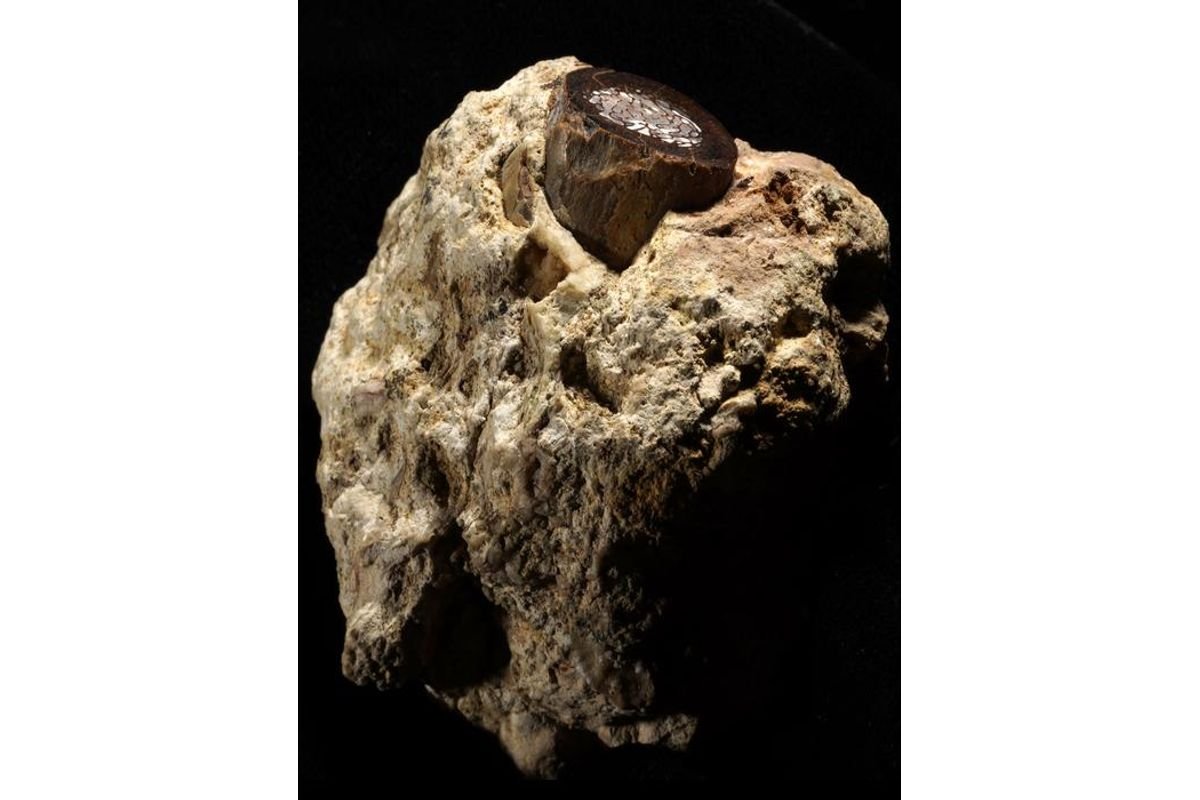
The new findings, published in Nature, examined fossilized animal bones thought to be between 1.3 million and 3 million years old. The fossil findings suggest that the animals’ world was hotter and wetter than our world is today.
Read More: 160-Million-Year-Old Fossils Rewrite the Story of Dinosaur Flight
Finding Hidden Chemicals In Leaky Bones
Metabolomics — the study of metabolites produced by chemical processes in our bodies — has become a valuable tool in modern biomedical science. Researchers in this area have used insights from metabolites to improve drugs and medical treatments. But the study of the ancient world has relied far more on DNA taken from fossils. Timothy Bromage, a study co-author and disease biologist at New York University, set out to do things differently.
“I’ve always had an interest in metabolism, including the metabolic rate of bone, and wanted to know if it would be possible to apply metabolomics to fossils to study early life. It turns out that bone, including fossilized bone, is filled with metabolites,” said Bromage in a press release.
Bromage had read research showing that collagen — a protein that gives structure to our teeth and skin — could be detected inside millennia-old dinosaur bones.
“I thought, if collagen is preserved in a fossil bone, then maybe other biomolecules are protected in the bone microenvironment as well,” said Bromage.
He theorized that metabolites, which flow freely through the bloodstream, may become trapped within bones as they form by entering through the bones’ spongy surface pores. Bromage’s team used an analytical technique called mass spectrometry to study the metabolites hidden within bones collected at research dig sites in Tanzania, Malawi, and South Africa.
To make comparisons with the modern day easier, Bromage’s team looked at ancient animals with contemporary counterparts in the same areas of Africa. They studied bones from mice, gerbils, ground squirrels, pigs, antelopes, and even an ancient elephant. They found thousands of metabolites had been preserved in the bones.
Ancient Diseases, Aloe, And Asparagus
These molecules were often linked to normal cellular functions, such as energy metabolism, production, and cell growth. Other metabolites were related to the animals’ disease response. Fossil bones from a nearly two-million-year-old Tanzanian ground squirrel showed signs of infection by the Trypanosoma brucei parasite, which causes sleeping sickness in humans.
“What we discovered in the bone of the squirrel is a metabolite that is unique to the biology of that parasite, which releases the metabolite into the bloodstream of its host. We also saw the squirrel’s metabolomic anti-inflammatory response, presumably due to the parasite,” said Bromage.
The team also analyzed metabolites that didn’t originate in the animals’ own tissues, which gave them an idea of the animals’ diets. This data showed that some of the animals dined on local plant life, such as asparagus and aloe.
“What that means is that, in the case of the squirrel, it nibbled on aloe and took those metabolites into its own bloodstream,” explained Bromage.
This seemingly small signal allowed the researcher to make many more conclusions about the animals’ ancient world.
“Because the environmental conditions of aloe are very specific, we now know more about the temperature, rainfall, soil conditions, and tree canopy, essentially reconstructing the squirrel’s environment. We can build a story around each of the animals,” said Bromage. This data matched other analyses that have sought to uncover what prehistoric Earth looked like.
“Using metabolic analyses to study fossils may enable us to reconstruct the environment of the prehistoric world with a new level of detail, as though we were field ecologists in a natural environment today,” said Bromage.
Read More: The Mysterious Little Foot Fossil May Rewrite Hominin History, Representing a New Human Relative
Article Sources
Our writers at Discovermagazine.com use peer-reviewed studies and high-quality sources for our articles, and our editors review for scientific accuracy and editorial standards. Review the sources used below for this article: