
GLP‑1 Pills Are Now Available — How They Differ From Injections

Novo Nordisk has announced the launch of a daily oral pill version of its weight-loss injection, Wegovy, just two weeks after the new formulation was approved by regulators.
GLP-1 medications have had a meteoric rise. Estimates from a KFF (Kaiser Family Foundation) Poll now suggest roughly 1 in 8 American adults are currently taking the drugs, which tweak hormone release and increase feelings of fullness. The drugs, including the brand names Ozempic and Wegovy, have been approved by the U.S. Food and Drug Administration for the management of type 2 diabetes, weight management, and cardiovascular risk reduction.
Read More: Could Fat-Trapping Boba Pearls Replace Weight Loss Medications Like GLP-1 Agonists?
GLP-1 Pill Trials
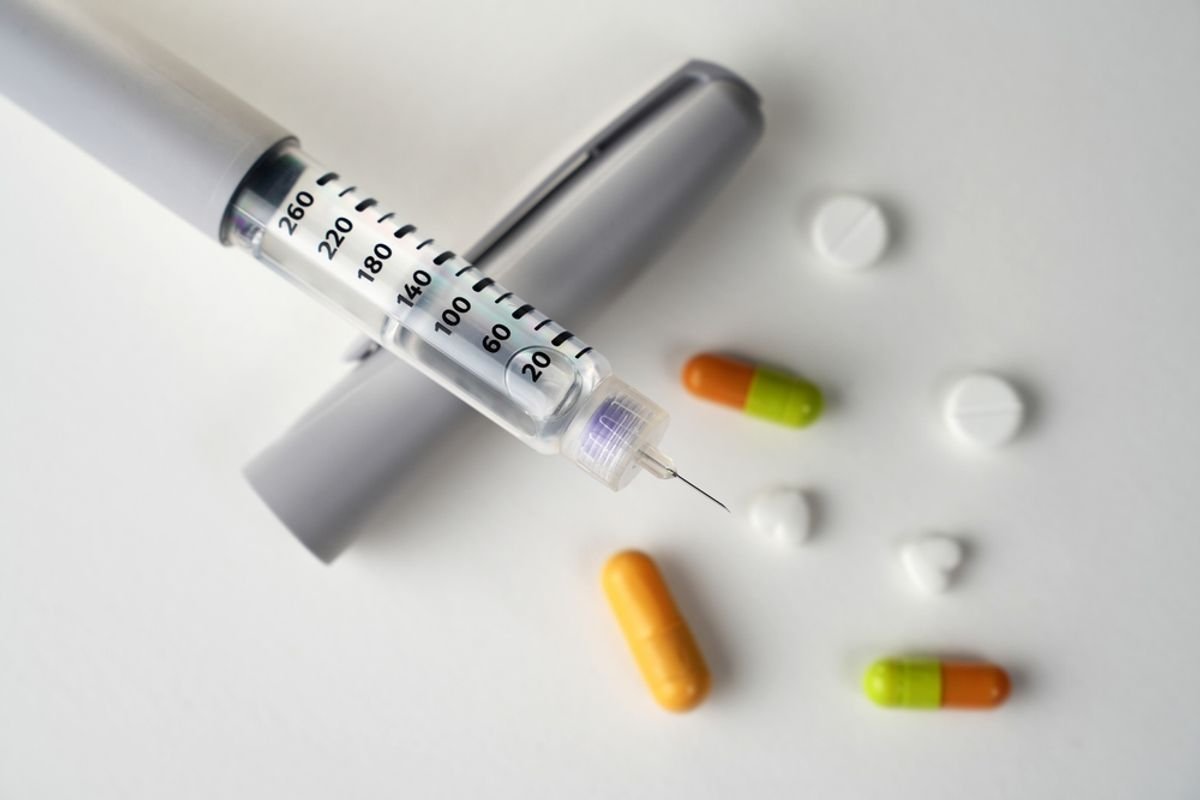
Until now, these drugs have only been available as injections, due to complications with how semaglutide — the drug’s active ingredient — would be metabolized in orally taken versions of the drugs. Users have had to keep their injection pen handy, self-administering jabs once per week. The pens also have to be kept refrigerated.
The new pill targets the same pathways as the injection, but contains much higher levels of semaglutide to counteract the reduced absorption of the drug through the gastrointestinal tract.
Despite the differences in formulation, the pill appears to achieve similar effects on body weight as the jab. The OASIS 4 trial, organized by drugmaker Novo Nordisk, showed that after taking the pill for 64 weeks, participants lost an average of 13.6 percent of their body weight. That compared to a 2.2 percent decrease for participants taking an oral placebo pill. Much like the injection, the main side effects of the oral pill are transient gastrointestinal effects, for example, nausea and constipation, which affected 74 percent of the trial participants, according to the OASIS trial, which was published in The New England Journal of Medicine.
This figure was an average of all participants, some of whom did not entirely adhere to the trial protocol. Novo Nordisk estimated that perfect adherence, alongside exercise and portion reduction, would result in users losing 16.6 percent of their weight.
Shifting the Cost of GLP-1 Drugs
The main difference for pill consumers compared with those using injections will be ease of use.
The other significant benefit American customers will see is financial. Self-paying customers historically had to fork out nearly $1000 per month for injectable GLP-1 drugs, although Novo Nordisk slashed this price at the end of last year. The cost of the new pill will be $149 per month for a starting dose of 1.5 mg. The highest dose, 25 mg, will cost $299. Patients typically begin at the lower dose and ramp up to the highest dose over roughly a month. The price for customers with health insurance will be significantly lower, though these drugs are rarely covered.
Novo Nordisk’s new formulation is already available at pharmacies around the U.S., but will likely soon be joined by a rival drug. U.S. pharmaceutical giant Eli Lilly has developed an oral medication called orforglipron. The drug received a fast-track review voucher from the FDA, which will dramatically shorten review times, according to a Reuters report. Lilly looks set to price its offering at $150 per month for the lowest dose, putting it in stiff competition with Novo Nordisk’s new product.
If the pill increases uptake of GLP-1 agonists, as the drugmakers expect, it seems this new drug class will continue to revolutionize obesity management.
This article is not offering medical advice and should be used for informational purposes only.
Read More: 8 Ways to Boost the Effects of Ozempic and Other GLP-1 Drug Treatments
Article Sources
Our writers at Discovermagazine.com use peer-reviewed studies and high-quality sources for our articles, and our editors review for scientific accuracy and editorial standards. Review the sources used below for this article: