
Global Feta Cheese Supply Threatened as Virus Kills Almost 500,000 Goats and Sheep in Greece

Our Greek salads may look a bit different next year as Greece faces a potential feta cheese shortage.
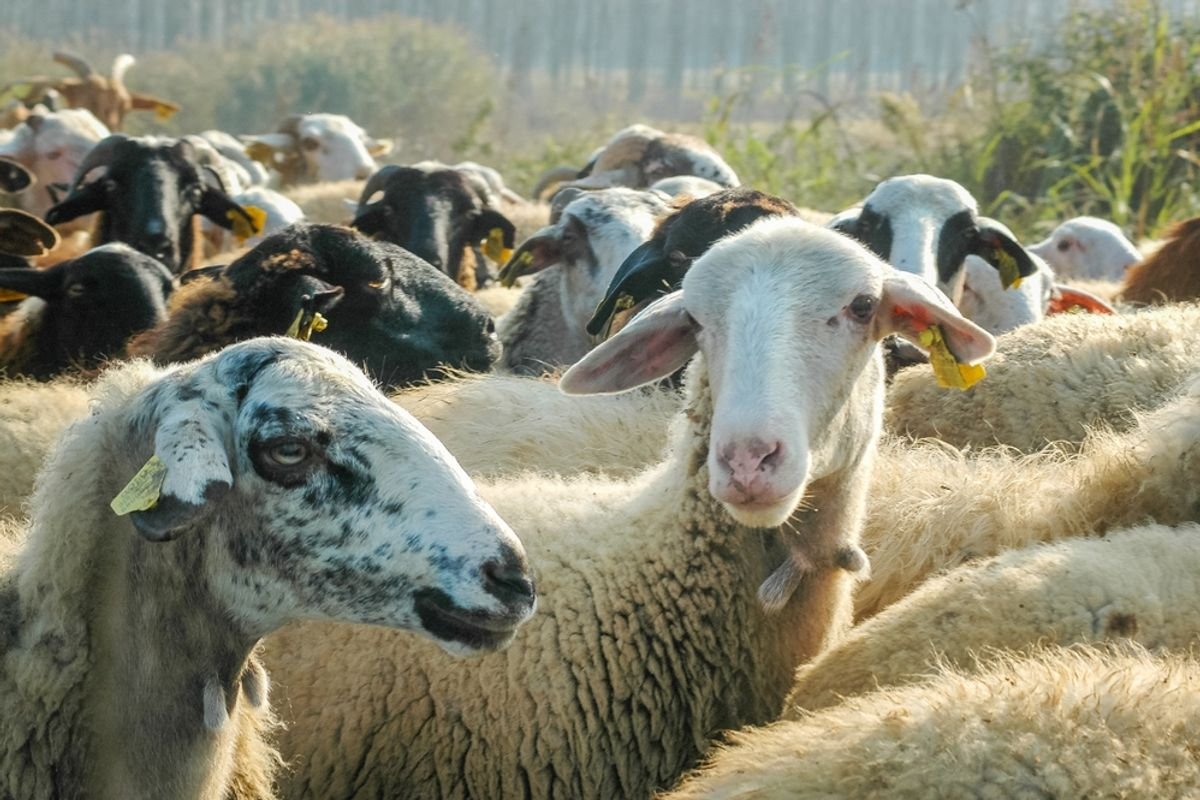
The shortage is due to an ongoing outbreak of goat and sheep pox that started in August of 2024. The virus, now spread to many parts of the country, has led to the culling of almost half a million goats and sheep. Although the virus can’t be transmitted to humans, the shortage of sheep and goat milk is likely to severely affect Greece’s ability to produce one of its top food exports.
Read More: With the Spread of Bird Flu, Cooking Eggs with Precaution May be Beneficial
What Is Sheep and Goat Pox?
Sheep pox and goat pox are two separate but similar viral diseases caused by strains of Capripoxvirus. According to the World Organization for Animal Health, symptoms of the disease include fever, infected papules, lung lesions, and even death. The virus is also quite resilient, remaining in wool for two months and in sheep and goat enclosures for up to six months.
The European Commission notes that the virus is highly contagious once it is contracted by one animal, as it is present in their saliva, urine, milk, and other bodily secretions. The skin lesions common with the disease can also become infectious, along with the scabs that drop off after healing.
The transmissibility of the disease is what typically leads to entire herds being culled, leaving farmers suffering from significant financial losses.
Why Is Feta Cheese Unique to Greece?
Feta cheese has a long history in Greece, stretching back over 2,000 years. According to the European Commission, feta cheese accounts for 10 percent of all Greek food exports. It also has what is known as a Protected Designation of Origin (PDO). Food with a PDO label has a strong link to the country in which it is produced.
Greece’s climate and geography make it ideal for feta cheese production, and it all starts with sheep and goats. Due to Greece’s mountainous landscape and its hot and dry weather, early settlers were unable to rear cows. Instead, they turned to sheep and goats, two species that are known for their ability to survive difficult climates.
The unique flora of Greece is what helps give feta cheese its taste. Sheep and goats graze on over 6,000 different species of plants grown in Greece, and it is this unique step that makes Greek feta truly unique.
How Feta Cheese Is Made
In addition to the unique biodiversity that gives Greek feta its distinctive flavor, traditional production methods are used to make the cheese we all love.
Only the milk from native breeds of ewes and goats is used to make the cheese, and it is also what gives feta its signature white color. To be used for feta cheese, the milk also needs to have a fat content of at least 6 percent.
Once the milk has been collected, it is coagulated, allowing the curd to separate from the liquid. After that, it is placed in moulds to be strained, then sliced and prepared for ripening. The ripening process takes at least two months, and only then will the feta have its signature taste and smell.
Read More: Viruses Could Cause Wolves to Change Colors
Article Sources
Our writers at Discovermagazine.com use peer-reviewed studies and high-quality sources for our articles, and our editors review for scientific accuracy and editorial standards. Review the sources used below for this article: