
First Mosquitoes Found in Iceland, Likely Due to a Shifting Climate

Mosquitoes have been identified in Iceland for the first time, reports the country’s Institute of Natural History. The invasive bugs’ presence is a further sign of how climate change is impacting flora and fauna worldwide.
The bugs were picked up on October 16, 2025, by Björn Hjaltason, a bug collector who was hunting insects in the Kjós municipality north of Iceland’s capital, Reykjavik. He spotted an unusual intruder in his trap.
“I immediately suspected what was going on and quickly collected the fly. It was a female,” Hjaltason wrote on the Insects in Iceland Facebook group. A screenshot of Hjaltason’s message was shared by Icelandic public service broadcaster RÚV. Hjaltason went on to collect a male and female mosquito on the following two days.
Mosquitoes in Iceland
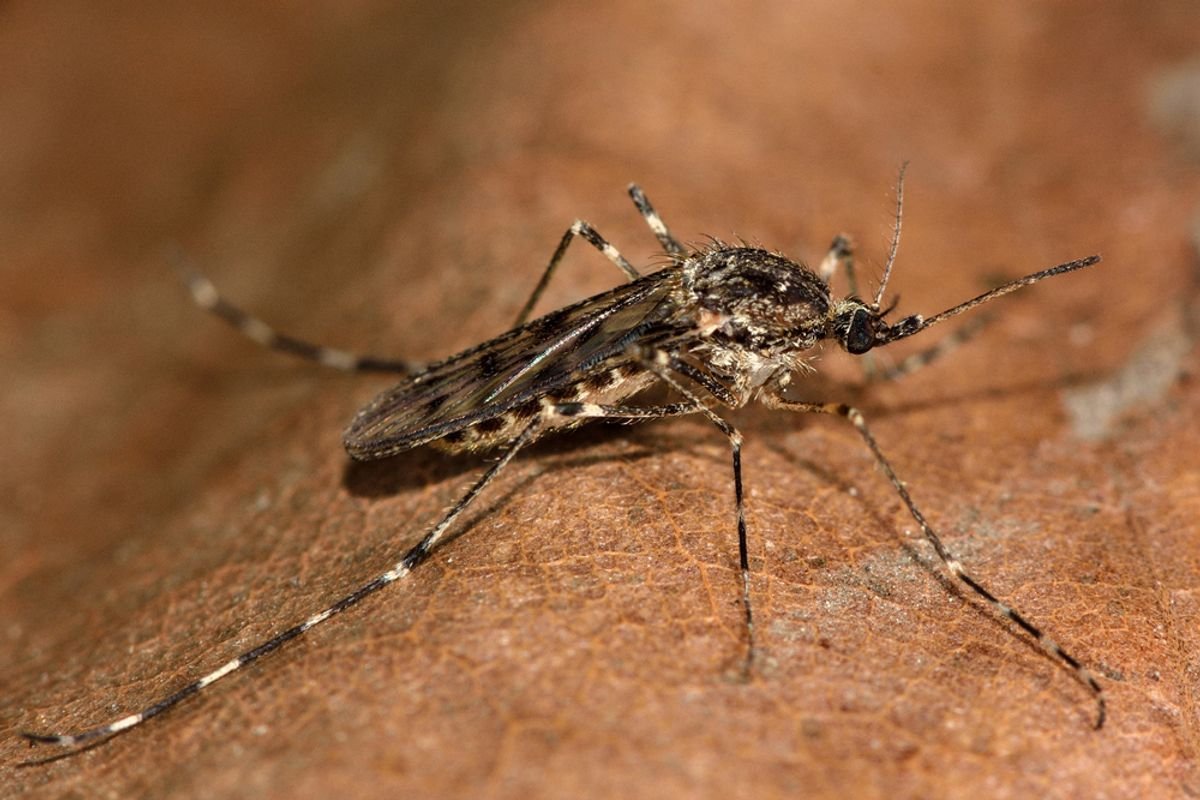
Hjaltason sent the specimens to the Institute of Natural History, where the entomologist Matthías Alfreðsson identified them as individuals of the species Culiseta annulata. This hardy bug lives across the Palaearctic, a region spreading across the northern half of Eurasia.
Cold conditions don’t faze these mosquitoes. In Siberia, where summertime mosquito clouds are a nightmarish yearly obstacle, the bugs enter diapause — a period of reduced metabolism akin to hibernation — to survive the harsh winter.
Instead, experts believe that Iceland’s isolation and variable climate have been the key to resisting the mosquito until now. Any bugs able to stow away aboard ships or planes would have to reckon with Iceland’s regular freeze-thaw cycles throughout spring and fall. These likely disrupt the bugs’ ability to reproduce and sustain within bodies of standing water. The country’s many geothermal pools are also likely too hot for the bugs to breed in.
Read More: One Small Genetic Tweak May Stop Mosquitoes from Spreading Malaria
What This Means for the Climate
Hjaltason’s discovery has changed all this. Iceland has just gone through a historically warm summer that included its hottest ever May temperature. These heatwaves, caused by global warming, are conducive to mosquito breeding, and experts have long suspected that the bugs would eventually colonize the country.
The finding leaves Antarctica as the only mosquito-free region of the planet. The continent has only one native insect, the Antarctic midge.
“The last stronghold seems to have fallen,” wrote Hjaltason.
Read More: Mosquito-Borne Chikungunya Virus Cases Rise Due to Travelers and Climate Change
Article Sources
Our writers at Discovermagazine.com use peer-reviewed studies and high-quality sources for our articles, and our editors review for scientific accuracy and editorial standards. Review the sources used below for this article: