
February’s 2026 Snow Moon Will Light Up the Night as Winter Rages On

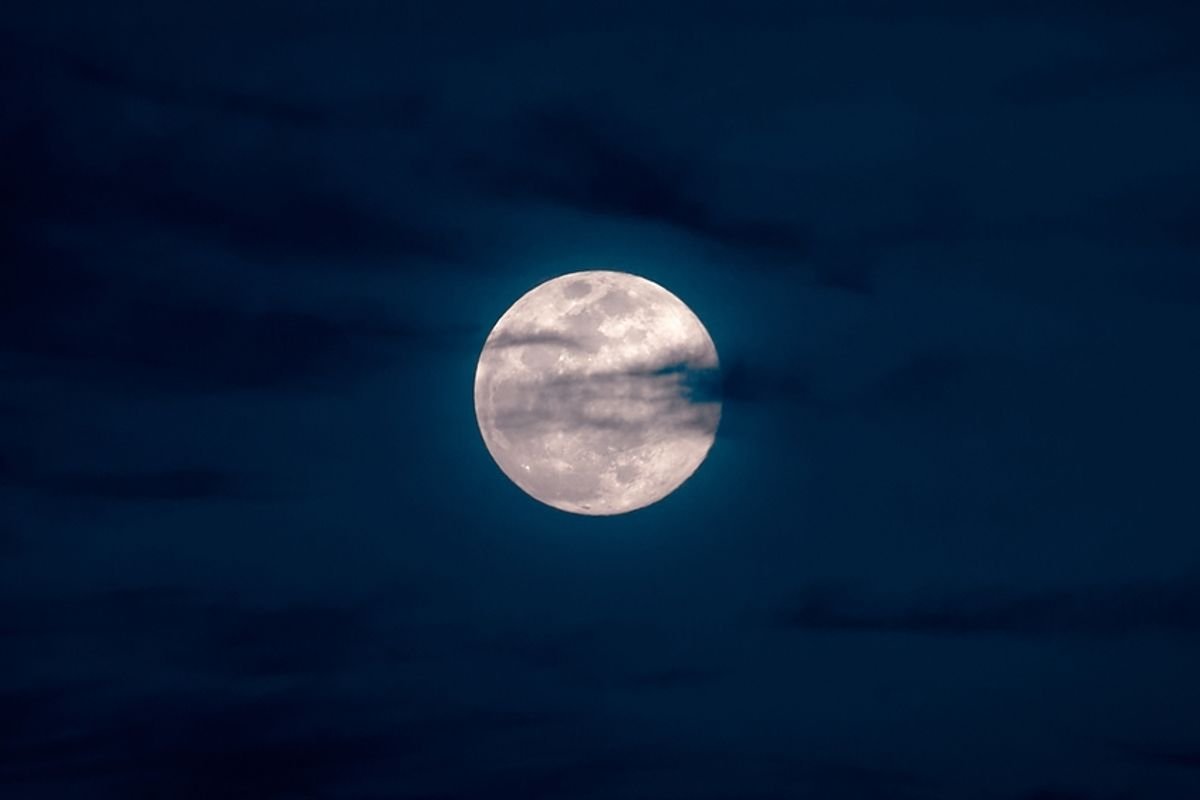
To mark the start of February 2026, a full moon known as the “Snow Moon” will rise in the night sky early next week. While freezing temperatures and icy conditions have made this winter a brutal one for many people, the Snow Moon may brighten the mood when it appears on Sunday, Feb. 1, 2026.
The brilliant Snow Moon will be at its fullest at 5:09 EST, giving a great view right around sunset as it makes a gradual ascent in the Eastern sky. For those who are eager to see a full moon in all its glory, this could be one of the best opportunities to see one all year.
Why Snow Moon Is a Fitting Name
The Snow Moon might have the most fitting name out of any full moon in the calendar year. Simply put, its name relates to the fact that much of North America gets pummeled by snow during this time of year. February is often the snowiest month for the U.S. Northeast and Midwest.
While the Snow Moon is the most recognizable title for February’s full moon, it also goes by a few other animal-inspired nicknames rooted in Native American tradition. Other names include: the Bald Eagle Moon (Cree), the Bear Moon (Ojibwe), the Raccoon Moon (Dakota), the Groundhog Moon (some Algonquin tribes), and the Goose Moon (Haida), according to Almanac.
Two more intriguing names for this full moon are the Bone (or Bony) Moon and Hungry Moon, used by the Cherokee people; these names signal the harsh reality that this stretch of winter would lead to food scarcities.
Read More: NASA’s Artemis II Rocket Arrives at Launch Pad Ahead of Moon Mission
The Snow Moon’s Company
This year’s Snow Moon will rise high in the night sky on February 1, and as it does, it’ll be joined by some stellar company; Regulus, the brightest star in the constellation Leo, will rise in the eastern sky soon after the full moon. Following in the moon’s wake, Regulus will slide up to the left of the Snow Moon by midnight, according to EarthSky.
Regulus won’t be the only night sky object accompanying the Snow Moon, which will also be visible as a full moon in the evenings immediately before and after February 1. In the wee hours of Jan. 31, 2026, the moon will appear right above Jupiter and form a triangle with nearby Castor and Pollux, the twin stars of the constellation Gemini. However, per BBC’s Sky at Night Magazine, you’ll need to get up a few hours before sunrise if you want to see this happen in the morning sky.
High in the Sky
Like other full moons during winter months, the Snow Moon will be particularly bright and clear to see for a few reasons. One is that in winter months, the Northern Hemisphere is tilted away from the Sun, making a full moon appear higher in the sky than it would be during summer — the highest point of a full moon in the sky is during the winter solstice (December 21 or 22), when the Northern Hemisphere is tilted farthest from the Sun, according to Sky Lights.
In the Northern Hemisphere, full moons also usually appear brighter during winter months because of all the snow covering the ground. The Moon doesn’t actually glow; moonlight is just sunlight that reflects off the Moon and reaches Earth. And per NASA, since snow reflects most of the light that hits it, winter nights with full moons may look a little brighter when snow is on the ground.
After February’s Snow Moon, the next full moon to look forward to is the Worm Moon on March 3, 2026; in an exciting twist, a total lunar eclipse will occur during the Worm Moon’s appearance, causing it to briefly turn into a deep crimson “blood moon.”
Read More: Earth and the Mysterious Planet Theia Were Likely Close Neighbors Before the Moon Formed
Article Sources
Our writers at Discovermagazine.com use peer-reviewed studies and high-quality sources for our articles, and our editors review for scientific accuracy and editorial standards. Review the sources used below for this article: