
Ancient Genomes Expose 200,000 Years of Human Isolation in Southern Africa

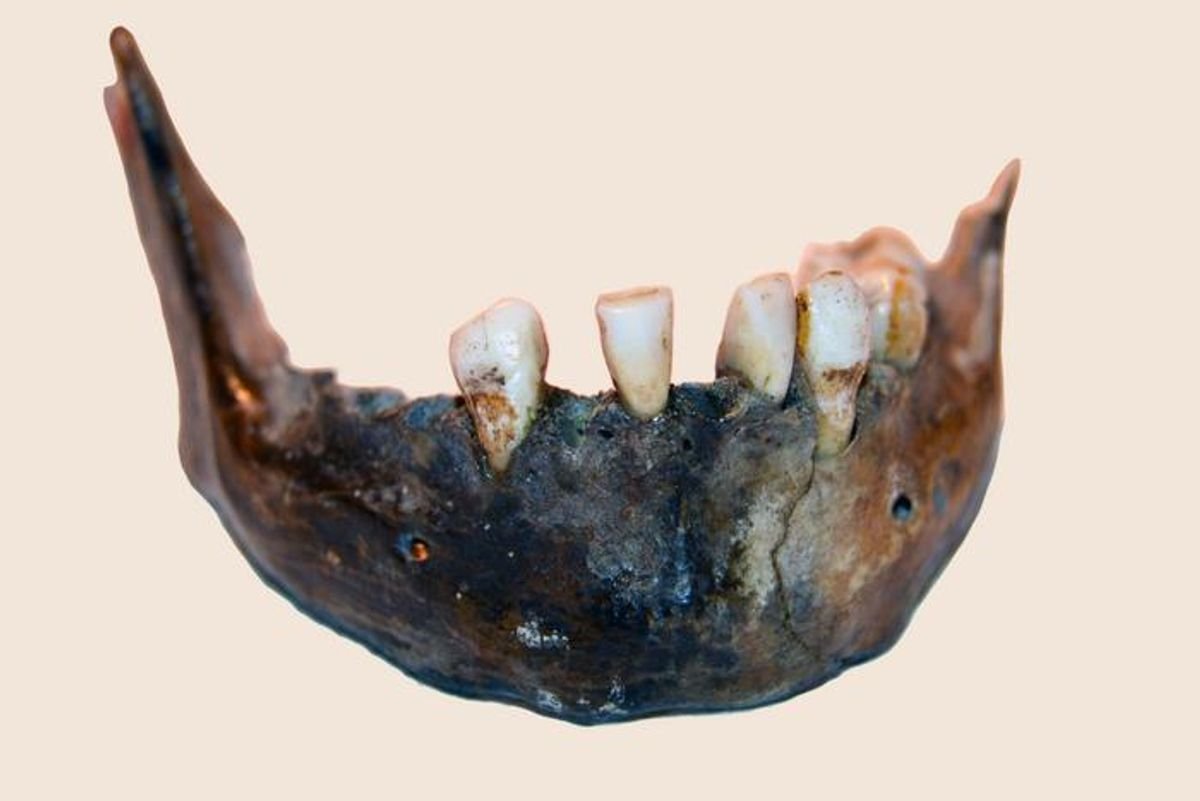
A population of early humans lived in southern Africa in near isolation for at least 200,000 years, according to a sweeping new analysis of ancient DNA drawn from 28 people who lived there between about 10,200 years and 150 years ago. The results show that the region was not merely settled late in human history, but instead hosted a deeply rooted and enduring Homo sapiens population.
The research, published in Nature, also uncovered genetic changes that likely shaped core human traits, from endurance and immune defenses to brain development. Together, the findings push southern Africa to the center of the human origin story.
“This group seems to have been genetically separate for at least 200,000 years. It’s only relatively late, around 1,400 years ago, that we see clear traces of gene flow into this group when DNA from individuals from East Africa and West Africa begins to become visible in individuals in southern Africa,” said Mattias Jakobsson, who led the study, in a press release.
Where Did Homo sapiens First Evolve in Africa?
Modern humans have existed for at least 300,000 years, but exactly where on the African continent the species first emerged has remained unresolved. One long-standing idea proposed that H. sapiens evolved in eastern Africa and only moved southward much later, around 50,000 years ago.
The new evidence overturns that view, pointing instead to long-term H. sapiens continuity in southern Africa.
Read More: Prehistoric Sunscreen and Clothing May Have Given Homo sapiens an Evolutionary Advantage
Ancient Genomes Reveal 200,000 Years of Isolation
The researchers analyzed genome-wide DNA from 28 individuals spanning nearly 10,000 years of southern African history. Compared with ancient and modern DNA from elsewhere, the southern population stood out for its extraordinary long-term stability.
Although the DNA shows that people from the south expanded northward during favorable climate periods — including a south-to-north genetic signal that appears in present-day Malawi about 8,000 years ago — the southern population itself shows little evidence of incoming migration over most of its history.
“The individuals are genetically virtually identical over the entire time period. There is no evidence of in-migration or population exchange. This differs from the picture in Europe, for example, where cultural shifts often coincide with new people moving in,” said Jakobsson.
The genomes also revealed 79 gene-altering DNA variants found only in H. sapiens and absent in Neanderthals, Denisovans, chimpanzees, and gorillas.
“The genomes of the prehistoric individuals of southern Africa are invaluable in this context, as they carry a large number of genetic variants that have been lost in other groups. One way to look at it is that the prehistoric population of southern Africa contains half of all human genetic variation, with all other groups, including people from western and eastern Africa and people outside Africa, containing the other half. Consequently, these genomes help us to see which genetic variants were really important for human evolution,” said Jakobsson.
The Living Legacy of Southern Africa’s Earliest Humans
Some of the most prominent genetic changes affect kidney-related genes, which may link to humans’ ability to regulate fluids and cool the body through sweating — a key endurance adaptation. Other variants are tied to immune function and neuron growth.
Today, about 80 percent of this ancient genetic material remains in modern San populations, preserving a rare genetic link between prehistoric hunter-gatherers and living communities.
“What pleases me most is that these genomes give a very clear picture of the early population history of southern Africa. As we obtain more and more high-quality ancient genomes, we are now beginning, for the first time, to gain insights at a genuine population level. This gives us a much clearer basis for understanding how modern humans evolved on the African continent,” said Carina Schlebusch, a co-author in the press release.
Read More: An Ancient Skull Could Prompt the Founding of a New Human Species
Article Sources
Our writers at Discovermagazine.com use peer-reviewed studies and high-quality sources for our articles, and our editors review for scientific accuracy and editorial standards. Review the sources used below for this article: