
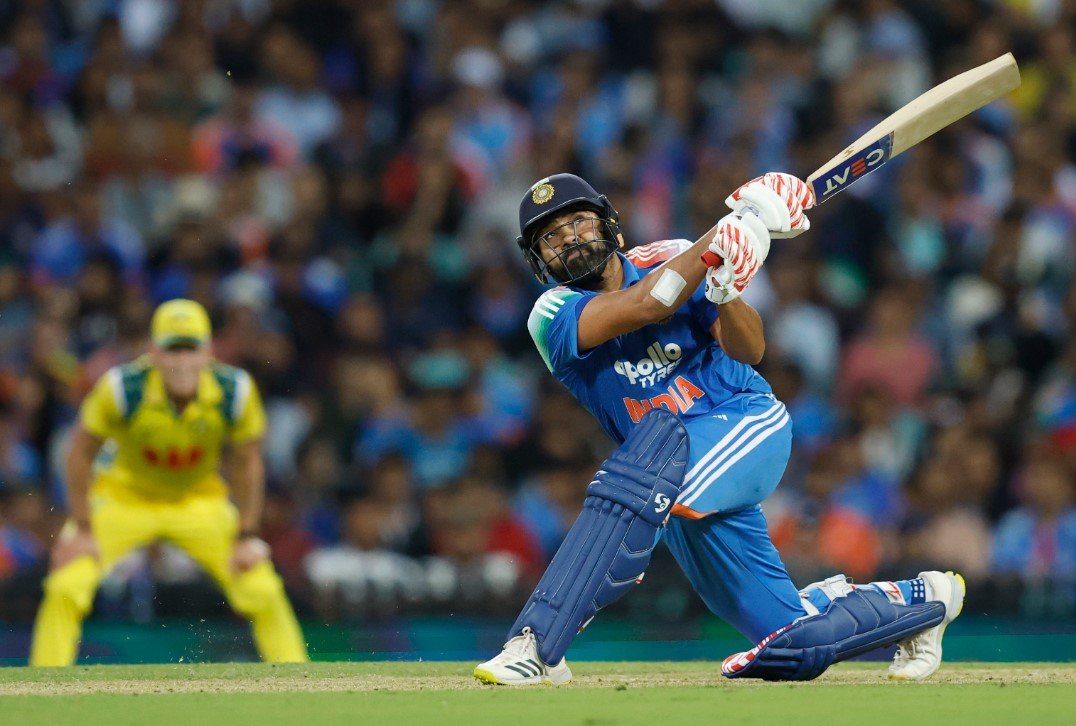
A brief history of ICC Men’s T20 World Cup
 New Delhi: Nearly two decades have passed since the ICC Men’s T20 World Cup first burst onto the global stage, changing the rhythm, reach and personality of cricket forever. What began as a bold experiment in 2007 has today become one of the sport’s biggest spectacles — fast, fearless and followed passionately across continents.
Back in South Africa in 2007, few could have predicted just how influential that inaugural tournament would become. Twelve teams took part then. In 2026, when India and Sri Lanka co-host the 10th edition, the number will rise to 20 nations from every corner of the globe. Over the years, six different teams have lifted the coveted trophy, with West Indies, England and reigning champions India the only sides to have won it twice.
As the countdown begins for the next chapter, it is worth taking a journey through the moments, matches and memories that shaped the T20 World Cup story.
A new form of cricket
When Twenty20 cricket was first discussed in English county circles in the early 2000s, scepticism was widespread. Many feared the format would dilute the traditions of the game. Instead, it ended up revitalising cricket’s global appeal.
Introduced professionally in 2003, T20 cricket was designed to attract new audiences and make the sport easier to follow. Its explosive nature, shorter duration and entertainment value soon won over fans — and players — around the world.
The launch of the ICC Men’s T20 World Cup in 2007 took that momentum to an entirely new level. The impact was instant.
West Indies legend Chris Gayle announced the arrival of the format in unforgettable style. He struck the very first ball of the tournament for four and later smashed a breathtaking 117 against hosts South Africa — the first-ever century in T20 international cricket.
That opening edition delivered drama at every turn. There were tense bowl-outs, Yuvraj Singh’s astonishing six sixes off Stuart Broad in one over, and Misbah-ul-Haq’s fateful scoop shot in the final. When India edged past Pakistan to lift the trophy, the modern era of cricket had truly begun.
Iconic moments through the years
Pakistan struck back two years later in 2009, claiming the title in England. Shahid Afridi, a player seemingly built for the format, starred with both bat and ball. The tournament also produced one of cricket’s greatest upsets when the Netherlands stunned the hosts.
In 2010, England finally broke their white-ball drought in the Caribbean. Kevin Pietersen’s elegant strokeplay earned him Player of the Tournament honours as England claimed their first men’s limited-overs world title.
The Caribbean flavour returned strongly in 2012. West Indies lifted the trophy in Sri Lanka, powered by Marlon Samuels’ match-winning 78 in the final and Sunil Narine’s miserly spell of 3 for 9. It was flair cricket at its finest.
Sri Lanka had their moment two years later. In 2014, they defeated India to win the title on home soil, allowing legends Kumar Sangakkara and Mahela Jayawardene to sign off from T20 internationals as champions.
Then came one of the most unforgettable nights in cricket history.
At Eden Gardens in Kolkata in 2016, Carlos Brathwaite launched four consecutive sixes off Ben Stokes in the final over to snatch victory for the West Indies. Ian Bishop’s iconic commentary line — “Remember the name!” — echoed across the cricketing world, cementing the moment forever.
After a five-year gap, the tournament returned in 2021. Australia, long criticised for underachieving in T20 cricket, finally claimed their maiden title. David Warner and Mitchell Marsh led the charge in a convincing final win over New Zealand.
England followed in 2022, becoming the first men’s team to hold both the ODI and T20 World Cups simultaneously. Sam Curran was the standout performer, earning both Player of the Match in the final and Player of the Tournament honours for his all-round brilliance.
Going global
The 2024 edition marked a major milestone as the tournament expanded from 16 to 20 teams. New nations stepped into the spotlight, with the USA, Canada and Uganda making their World Cup debuts.
Co-hosting alongside the West Indies, the Americans produced one of the tournament’s biggest shocks — a stunning Super Over victory over Pakistan — and advanced to the Super 8 stage. Afghanistan continued their inspiring rise, reaching the semi-finals of a major ICC event for the first time.
The final delivered high drama once again. Virat Kohli anchored India’s innings with a composed 76, but South Africa looked firmly in control during the chase. Then Jasprit Bumrah produced a spell of rare magic, swinging momentum back India’s way and sealing a tense seven-run victory.
It was a triumph rich in emotion. Just as Sangakkara and Jayawardene had done a decade earlier, Kohli and Rohit Sharma chose the grandest stage to bid farewell to international T20 cricket.
Looking ahead to 2026
With two modern greats stepping aside, the 2026 tournament promises fresh faces, new rivalries and untold stories. Italy will make their World Cup debut, further underlining how far the game has travelled since 2007.
From Gayle’s first-ball boundary to Brathwaite’s last-over heroics, from bowl-outs to Super Overs, the ICC Men’s T20 World Cup has consistently delivered moments that live well beyond the scoreboard.
As India and Sri Lanka prepare to host the landmark 10th edition, one thing is certain — the format that once faced doubt has become one of cricket’s greatest celebrations, where anything can happen in 20 overs.